Telangana RTA driving test tips: how to prepare and pass in Hyderabad
Telangana RTA driving test tips: what examiners in Hyderabad look for, the common reasons people fail, and a four-week practice plan to get ready for test day.
The RTA driving test in Hyderabad is short, and most people who fail it do so for the same handful of reasons: rolling back, touching a marker, forgetting to indicate or check mirrors, or simply letting nerves take over. These Telangana RTA driving test tips cover what examiners look for and how to practise so the test feels routine.
A note before we start: test formats vary between offices and change over time. Some RTA offices use dedicated test tracks with marked lanes; the details of each track, and how it is scored, are best learned from your driving school or the office itself. This post sticks to what is true of any fair driving test, and it is not an official guide. For the current rules, check the Telangana Transport Department website.
What examiners look for
An examiner is not looking for a racing driver. They want evidence that you can handle the car on your own without putting anyone at risk. In practice that comes down to five things.
Control
Smooth starts, smooth stops, and steady low-speed steering. In a manual car this means clutch control: moving off without stalling or jerking, and holding the car on a slope without rolling back. Jerky, hurried movements suggest you are not in control even if you finish the course.
Observation
Checking your mirrors before you move off, before you change direction and before you slow down. Looking over your shoulder before pulling out. Examiners notice whether your head and eyes move, not just whether you avoided something.
Signalling
Indicating in good time before every turn or change of position, and cancelling the indicator afterwards. A signal that comes after you have started turning tells the examiner you forgot.
Following the rules
Keeping left, obeying signs and markings, stopping fully where you must, and keeping to a sensible speed. If you are tested on a road or a course with signals, a stop line means the front of your car stops behind it.
Composure
Mistakes happen. What matters is what you do next. If you stall, put the handbrake on, restart calmly and carry on. Panicking after a small mistake often causes a bigger one.
Common reasons people fail
Driving schools and instructors in Hyderabad tend to name the same faults again and again. None of them are about knowledge; they are about habits.
- Rolling back or stalling on a slope. If your office tests a start on an incline, this is the classic fail. Practise the handbrake start until it is boring.
- Touching a line, kerb or marker. On a marked course, going outside the lines or knocking a pole usually counts heavily. This is a matter of slow speed and reference points, not luck.
- No mirror checks. Many learners do look, but only with their eyes and too quickly to be noticed. Make the check deliberate.
- Late or missing indicators. Indicate before you brake and turn, not during.
- Going too fast in tight spaces. Speed makes every manoeuvre harder. Creep. There is no prize for finishing quickly.
- Not following the examiner's instruction. Listen to the whole instruction before you move. If you did not hear it, ask them to repeat it.
- Paperwork problems. An expired learner's licence, a car without valid documents or missing L plates can stop the test before it starts.
A four-week practice plan
You must hold your learner's licence for at least 30 days before the test, which fits neatly with a four-week plan. Adjust it around your lessons; the point is steady practice rather than cramming. (If you have not got your learner's licence yet, start with our guide to getting a driving licence in Hyderabad.)
Week 1: the car
Get to know the controls with your instructor in a quiet place. Seat and mirror adjustment, moving off and stopping, clutch control at walking pace, steering hand positions. Do not hurry onto busy roads.
Week 2: habits
Build the routine you will use on test day: mirrors, signal, manoeuvre. Every turn, every time. Practise stopping smoothly at a line. On quieter roads, work on keeping a steady position on the left of your lane. Our post on indicators and lane discipline goes into this in more detail.
Week 3: the manoeuvres
Find out what your office tests and practise exactly that. If it includes reversing between markers, parking in a marked bay or a start on a slope, set up something similar with your instructor and repeat it many times. Pick reference points on the car, such as where a line meets the edge of the bonnet or the mirror, so you are not guessing.
Week 4: test conditions
Do full mock tests. Drive the course start to finish without coaching, then talk through what went wrong. Practise at the time of day your slot is booked if you can. In the last few days, do less, not more: you want to arrive calm and rested.
Where a simulator fits in
A driving simulator cannot teach clutch control, the bite point, or how hard to press a real brake pedal. It cannot test you on an RTA track. What it can do is drill the decisions that become habits, at home, as often as you like.
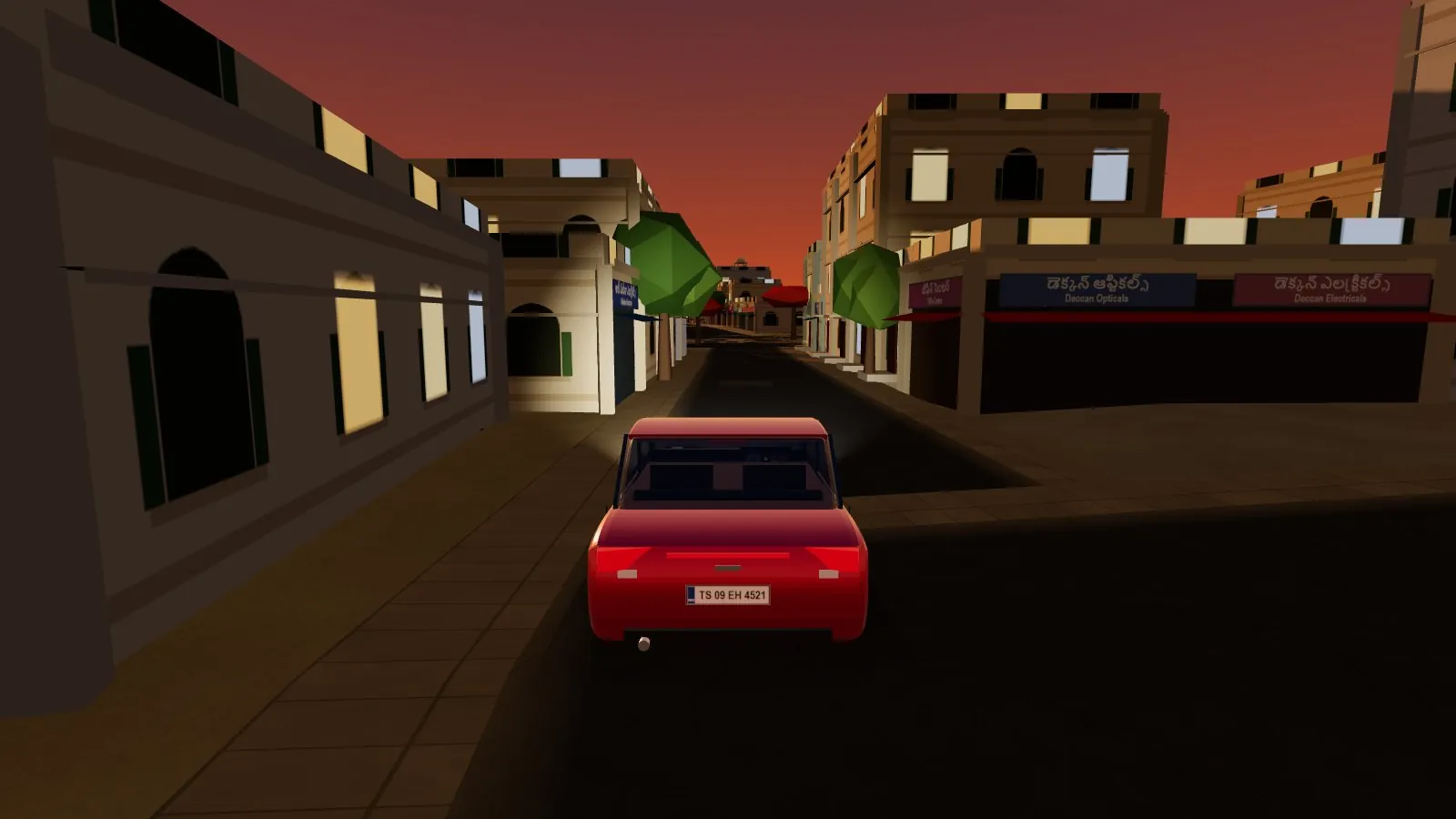
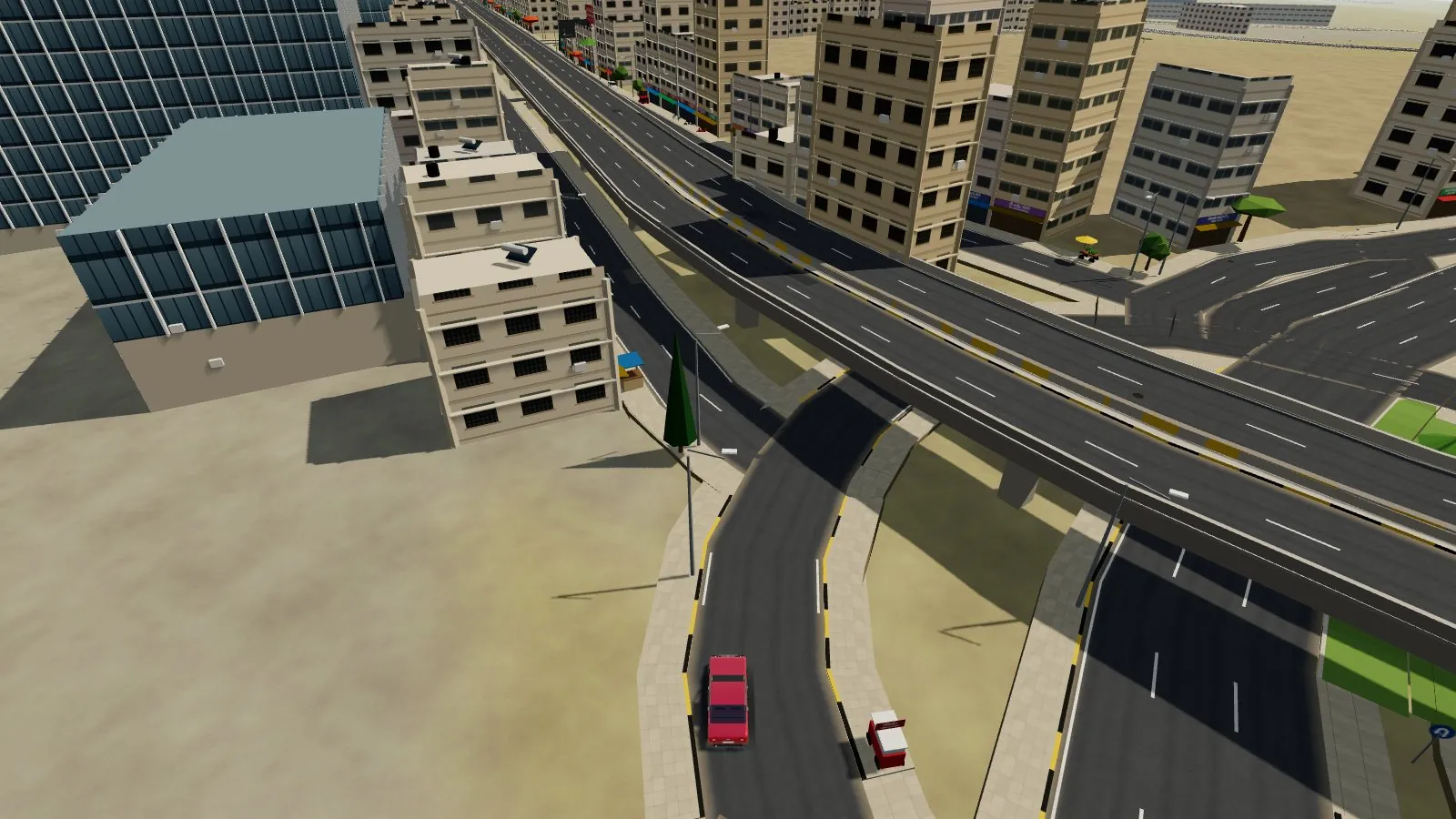
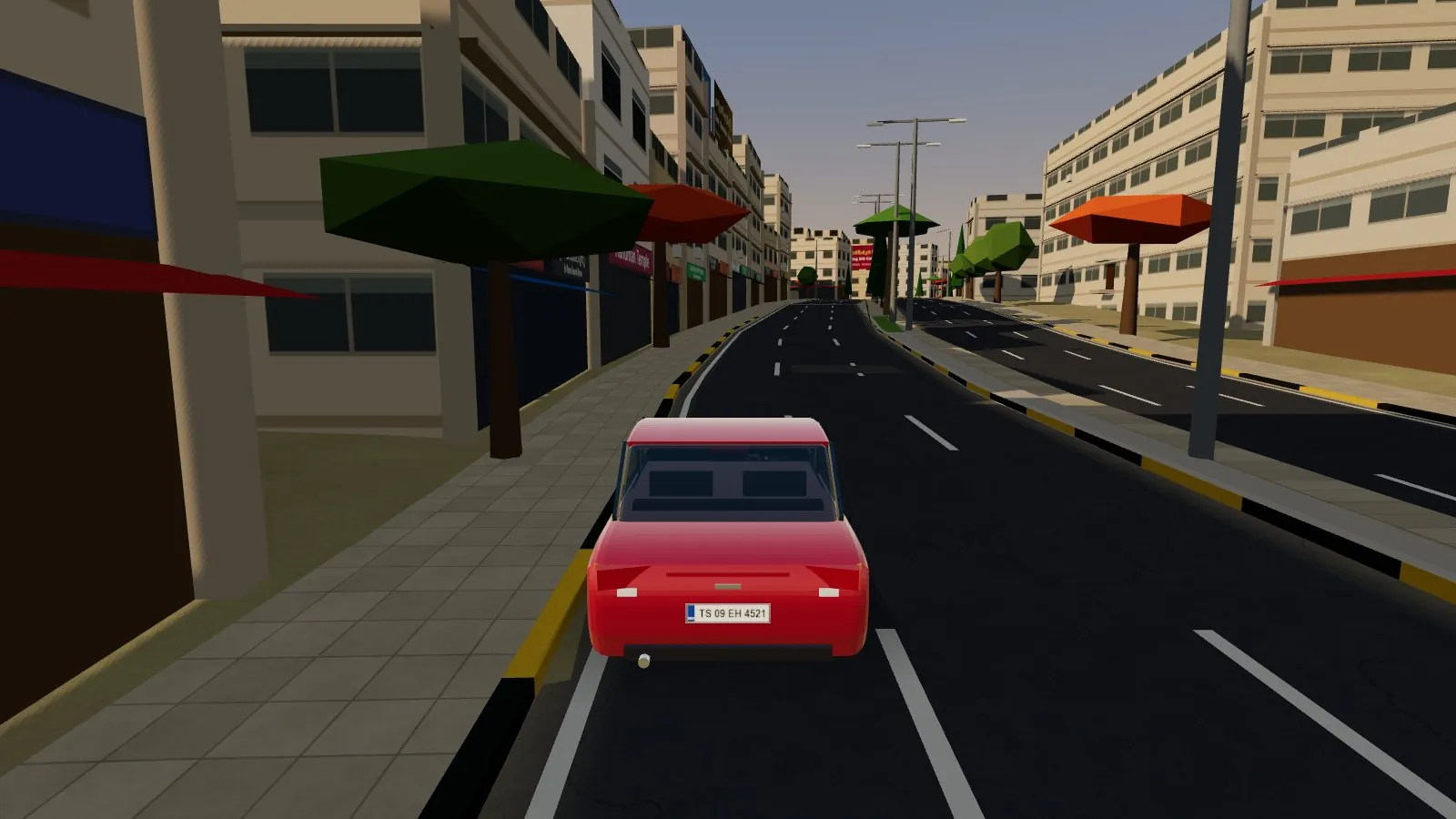
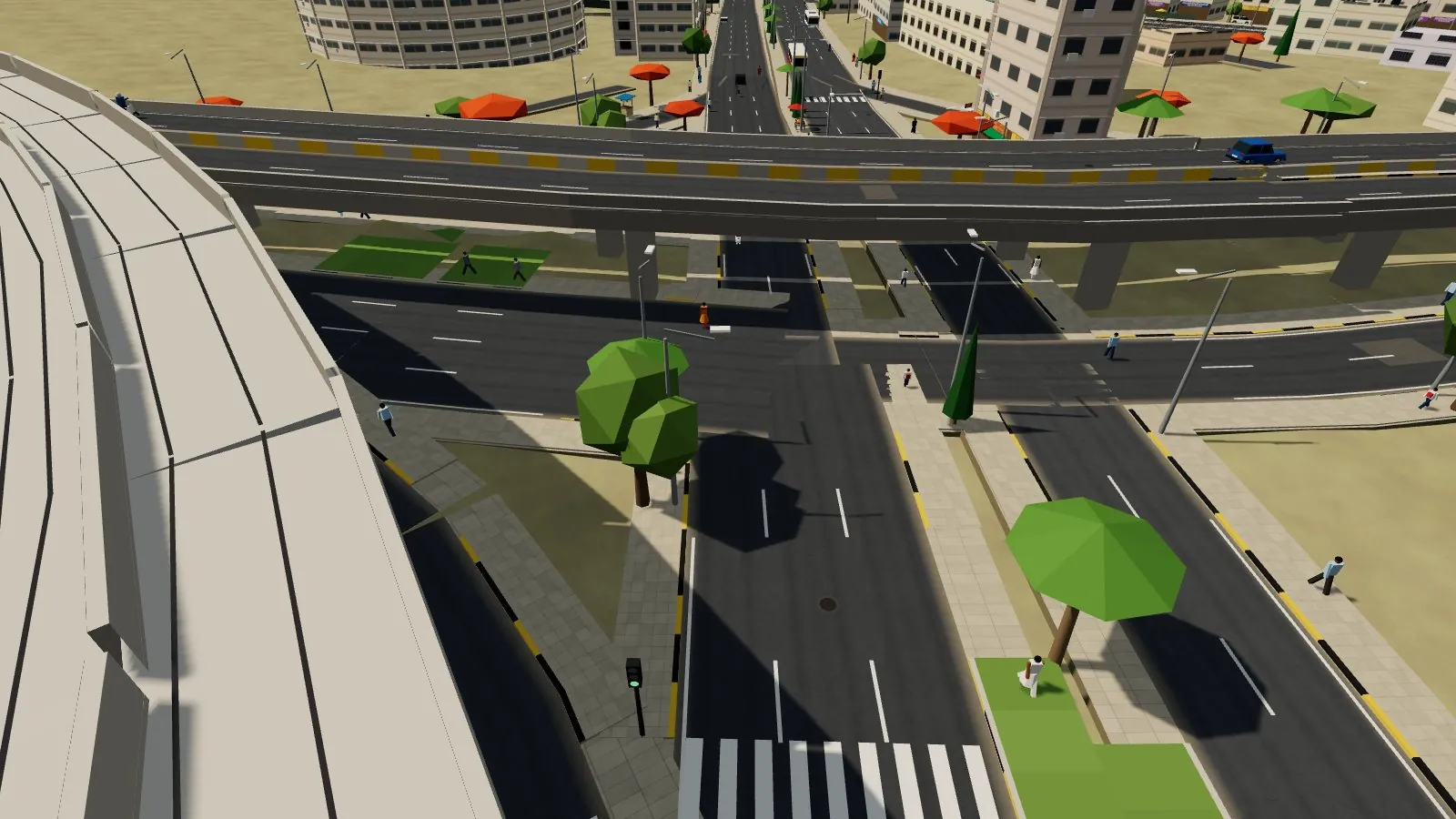
Sawari is a free browser simulator on real Hyderabad roads. It drives on the left with a right-hand-drive car and an automatic gearbox, and it logs faults as they happen: no indicator before a turn, running a red light, speeding, drifting right of the centre line, leaving the road, collisions and taking speed breakers too fast. The debrief at the end lists each one with advice. Repeating a route until the debrief is clean is a good way to make "signal before every turn" automatic.
Be clear about what it is: practice only. It is not affiliated with the RTA, its routes are not test routes, it has no mirrors, and its score means nothing to an examiner. Use it between lessons, never instead of them. Our guide to free online driving simulators in India explains more about what simulator practice can and cannot do.
On the day of the test
- Check your documents the night before: learner's licence, application acknowledgement, originals of what you uploaded, and the car's papers if you are bringing it.
- Arrive early. Rushing in late is a poor start to a test of calm driving.
- Adjust your seat and mirrors before you start, even in a familiar car. Examiners often watch this.
- Put your seatbelt on before you start the engine.
- Drive the way you have practised, a little slower if anything.
- If you make a mistake, keep going. Small errors are not always a fail; giving up is.
If you do not pass
It is common to fail a driving test the first time, and it is not a judgement on whether you will be a good driver. Ask what went wrong, write it down, and practise that specific thing. The portal explains when you can book again. Check that your learner's licence will still be valid on the new date, because it lasts six months from issue.
Once you have your licence, the real learning starts on real roads. When you want to rehearse a busy route before you drive it, you can open Sawari in your browser and try it first.
Frequently asked questions
What is checked in the RTA driving test for a car?
The examiner checks that you can control the car smoothly and safely, follow the rules, use your indicators and mirrors, and complete the manoeuvres set at that office. The exact format depends on the RTA office, so ask your driving school or the office beforehand.
What are the most common reasons for failing the driving test?
Typical reasons are rolling back or stalling, touching a boundary or marker, not checking mirrors, forgetting to indicate, and losing control at low speed. Nerves cause many of these, which is why repeated practice of the exact manoeuvres helps.
Can I take the driving test in an automatic car?
Rules and office practice on this can change, so check with the Telangana Transport Department or your RTA office before you book. Whatever car you use, it must be roadworthy, registered, insured and show L plates.
Does practising on a driving simulator help with the RTA test?
It can help with habits such as indicating, keeping left and stopping at the line, but it cannot teach clutch control or the feel of a real car. Use it alongside lessons with a licensed instructor, not instead of them.
Sawari is a practice simulator. It does not replace lessons with a licensed instructor or the official RTA test. Always follow the signs, signals and traffic police on the real road.