How to overtake safely in India: the rules and the technique
How to overtake safely in India: overtake on the right, never across a solid centre line, at a bend, junction or crossing, and how to pass trucks on highways.
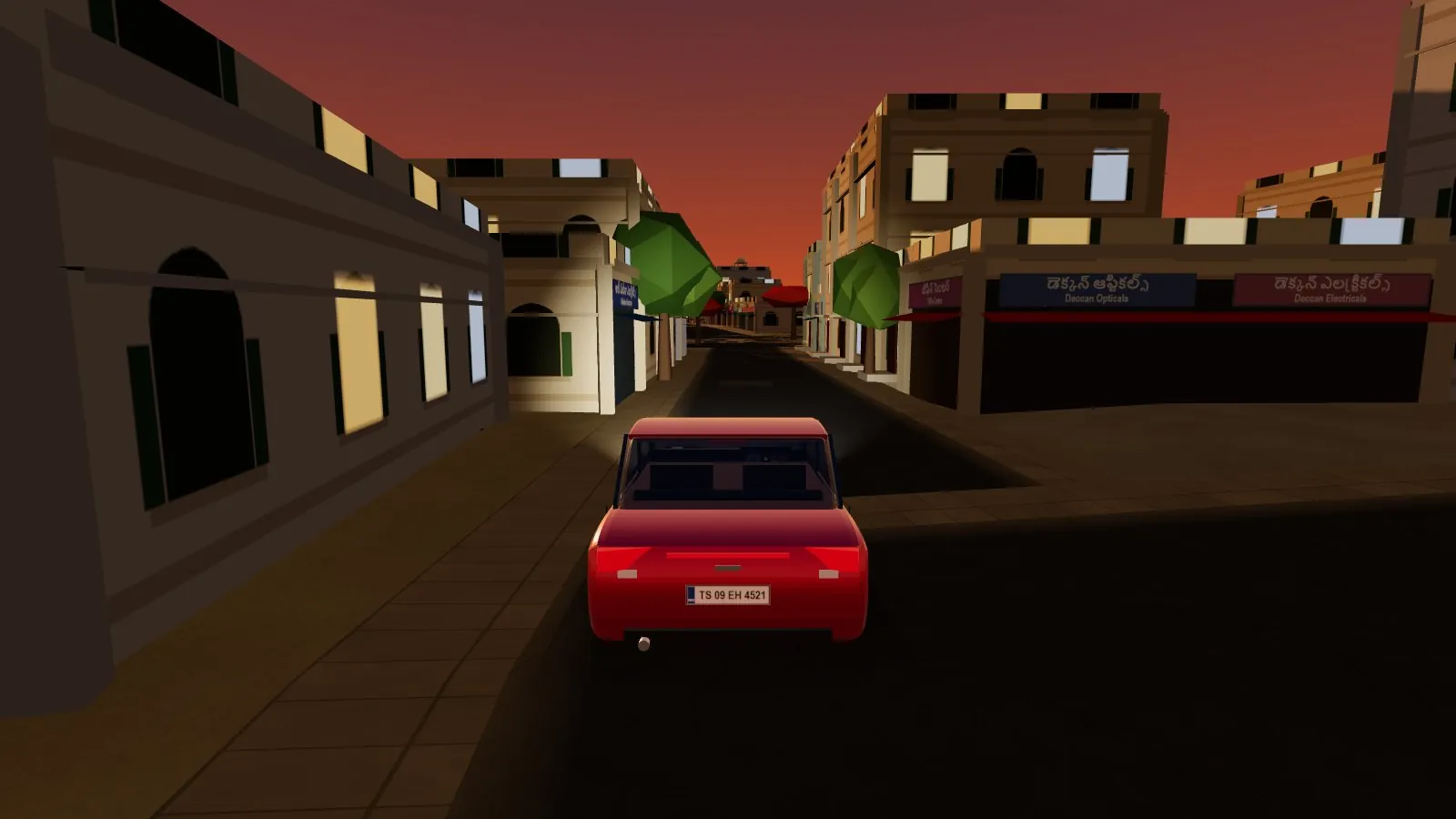
To overtake safely in India, pass on the right, only where you can see the road ahead is clear, never across a solid centre line, on a bend, at a junction or near a pedestrian crossing, and indicate before you pull out and before you move back left. If you have any doubt, do not overtake.
Overtaking is one of the riskiest manoeuvres in driving, because for a few seconds you may be on the wrong side of the road. This guide sets out what the law says, based on the Motor Vehicles (Driving) Regulations, 2017, and then the technique, with notes for two-lane highways and trucks.
Which side should you overtake on in India?
On the right. India drives on the left, so the normal rule is to overtake on the right of the vehicle you are passing.
The Driving Regulations allow passing on the left only in a few situations:
- on a road with two or more marked lanes in your direction, where you can pass safely within your lane;
- when the driver ahead has signalled and is turning right or making a U-turn;
- when passing a stationary vehicle, as long as it is safe.
On multi-lane city roads such as those in Hyderabad, traffic often moves at different speeds in different lanes, and that is not the same as weaving left and right around one car to get ahead. Keep to your lane and change lanes only with a signal and a clear mirror. Our guide to indicators and lane discipline covers lane changes.
When is overtaking illegal?
Overtaking is not allowed whenever the road ahead is not clearly visible and free, and in a list of specific places set out in Regulation 14 of the Driving Regulations.
| Do not overtake | Why |
|---|---|
| When the traffic situation ahead is not clear | You cannot judge whether you can complete the pass |
| Where a sign prohibits overtaking | A mandatory sign; ignoring it is an offence |
| Across a continuous single or double solid centre line | Solid lines mark places where crossing is unsafe |
| On a bend or corner, or where an obstruction blocks your view | Oncoming traffic can appear with no warning |
| At junctions, intersections and pedestrian crossings | Vehicles turn and people cross in your path |
| Where the road narrows or the number of lanes reduces | There may not be room to move back in |
| On a narrow culvert | No space to escape |
| In a school, hospital or construction zone indicated by signs | Children, patients and workers on or near the road |
| If it would get in the way of oncoming traffic | You must never force oncoming vehicles to brake or swerve |
The regulations also say you must not exceed the speed limit while overtaking. You can find them on the Ministry of Road Transport and Highways legislation page, listed as G.S.R. 634(E), 23 June 2017.
Solid and broken centre lines
A broken centre line means you may cross it to overtake when it is safe. A continuous solid line, white or yellow, single or double, means you must not cross it to overtake. The regulations also tell drivers not to drive over a solid longitudinal line or a painted traffic island except to get round an obstruction.
How do you overtake safely, step by step?
Use a clear, unhurried routine every time: decide, check, signal, pass briskly, and move back only when you have left a safe gap.
- Ask whether you need to. If the vehicle ahead is only a little slower, or a turn-off is close, stay behind.
- Hang back. Keep a good following gap. Sitting close behind a truck hides the road ahead and leaves you no room.
- Look ahead. Move slightly right within your lane to see past the vehicle. Check for oncoming traffic, junctions, bends, crossings, signs and solid lines.
- Check mirrors and blind spot. Make sure nobody is already overtaking you, and look for a two-wheeler on your right.
- Signal right. Indicate in good time. On open roads outside built-up areas, the regulations say you may give a short horn note or a brief headlight flash to warn the driver ahead.
- Pass briskly. Accelerate firmly but within the speed limit. Do not hang alongside the vehicle.
- Signal left and move back once you can see the whole front of the vehicle you passed in your interior mirror. Do not cut in.
- Cancel the indicator and settle back to your normal speed.
How do you overtake trucks on a two-lane highway?
With more space and more time than you think you need, because trucks are long, block your view and move around in the wind and on uneven roads.
- Drop well back first. From further back you can see past the truck and you are visible in its mirrors.
- Do not trust a truck's right indicator as a signal to pass. Drivers sometimes use it to mean "go ahead", but it may simply mean the truck is turning right. The Driving Regulations tell drivers not to use the right indicator to invite others to overtake, so treat a blinking right indicator as a turn.
- Allow for length. A loaded truck, or two trucks close together, can take far longer to pass than a car.
- Watch for a second vehicle overtaking from the other direction at the same moment. On busy state highways this is common.
- Be extra wary at dusk and at night, when it is hard to judge the speed of oncoming headlights.
Divided highways and expressways are much safer for overtaking, because there is no oncoming traffic in your carriageway. Even there, slow trucks usually keep left and you pass on the right. If you are planning a long trip, our guides to driving Hyderabad to Vijayawada and the Outer Ring Road cover the roads.
What should you do when someone is overtaking you?
Keep left, hold your speed or ease off a little, and let them move back in front of you.
The Driving Regulations say the driver of a vehicle being overtaken must not increase speed or prevent the overtaking vehicle from returning to the left side. In practice:
- Stay towards the left of your lane.
- Do not speed up or race the vehicle beside you, even if it irritates you.
- If the overtaking driver has misjudged an oncoming vehicle, slow down to give them a gap to move into.
- Do not start an overtake of your own while you are being overtaken.
The same thinking applies in town when someone cuts in: drop back and rebuild your gap. Our guide to defensive driving in India covers that habit.
Does Sawari let you practise overtaking?
Only in a limited way. Sawari is a free browser driving simulator on five real Hyderabad city routes, with an automatic car and traffic that keeps left. It runs on a phone with an on-screen steering wheel, a tablet, a laptop or a PC. The debrief lists faults such as a missing indicator, drifting right of the centre line, red lights and collisions, which helps with signalling and lane discipline when you pass slower traffic on city roads.
It has no mirrors and no highway routes, so it cannot teach you to judge oncoming traffic on a two-lane road. It is practice only. Try Banjara Hills Road No. 1 with heavy traffic to practise changing lanes around buses and autos.
Frequently asked questions
Is overtaking from the left allowed in India?
Generally no; you should overtake on the right. The Motor Vehicles (Driving) Regulations, 2017 allow passing on the left only in limited cases, such as on a multi-lane road with marked lanes, when the vehicle ahead has signalled and is turning right or making a U-turn, or when passing a stationary vehicle safely.
Can you overtake across a solid white or yellow centre line?
No. The Driving Regulations prohibit overtaking by crossing a continuous single or double solid centre line. A broken line means you may cross it when it is safe and clear.
Where is overtaking not allowed?
Overtaking is prohibited where the road ahead is not clear, where signs prohibit it, across a solid centre line, on bends and corners or where your view is blocked, at junctions and pedestrian crossings, where the road narrows, on narrow culverts and in signed school, hospital or construction zones.
What should you do when someone is overtaking you?
Keep left, hold a steady speed or ease off slightly, and do not speed up or block the overtaking vehicle from moving back in. The Driving Regulations specifically say the driver being overtaken must not increase speed.
Sawari is a practice simulator. It does not replace lessons with a licensed instructor or the official RTA test. Always follow the signs, signals and traffic police on the real road.