Defensive driving tips for India: the habits that keep you out of trouble
Defensive driving tips for India's mixed traffic: keep a space cushion, a three-second gap, scan ahead, expect others' mistakes and drive for the conditions.
Defensive driving in India comes down to a few habits: keep a buffer of space around your car, stay at least three seconds behind the vehicle ahead, scan far ahead and to the sides, assume others will make mistakes, and slow down for the conditions. In mixed traffic the space keeps getting filled, so the skill is rebuilding it calmly, again and again.
Most crashes are not caused by one dramatic error. They happen when a small mistake by one road user meets a driver with no time or space to react. Defensive driving is about always leaving yourself that time and space. This guide adapts the standard habits to Indian roads, with Hyderabad examples.
What is the space cushion, and how do you keep one in Indian traffic?
The space cushion is a buffer of empty road around your car, in front, behind and to the sides, that gives you somewhere to go if something goes wrong.
In a city full of scooters and autos you will never have a perfect empty box around you, and that is fine. The habit is to notice when the cushion has gone and quietly rebuild it:
- In front: this is the space you control best. Ease off when someone cuts in, rather than closing up to stop them.
- To the sides: avoid sitting right beside a bus or truck, or level with a car in the next lane for long periods. Drop back or move ahead so you have an escape route.
- Behind: you cannot control a tailgater, but you can give yourself a bigger gap in front so that you never have to brake hard.
- At a stop: stop where you can still see the rear tyres of the car in front touching the road. That leaves room to steer round it if it breaks down or rolls back.
How big a gap should you leave to the vehicle ahead?
Leave at least a two-second gap in good conditions, and three seconds or more in traffic, rain or at night; this is the most important single defensive habit.
The Motor Vehicles (Driving) Regulations, 2017 say a driver must keep enough distance from the vehicle ahead to stop safely if it slows or stops suddenly, and must increase that distance in rain and other bad weather. The regulations do not give a figure, so drivers use a time-based rule of thumb. The current regulations are listed on the Ministry of Road Transport and Highways legislation page.
- Pick a fixed point ahead, such as a lamp post, a metro pillar or a road sign.
- When the rear of the vehicle in front passes it, start counting: "one thousand and one, one thousand and two, one thousand and three".
- If your front bumper reaches the point before you finish, drop back.
A time gap works at any speed because the distance grows as you go faster. Someone will often slip into the gap you leave. Let them, and drop back again; arriving one car-length later costs you nothing.
| Situation | Suggested minimum gap |
|---|---|
| Dry road, good visibility, light traffic | 2 seconds |
| Normal city traffic | 3 seconds |
| Behind a bus, truck or auto that may stop suddenly | 3 seconds or more, and stay out of its blind spot |
| Rain, wet roads, night or a new driver | 4 seconds or more |
These are common driving-school guidelines, not legal limits.
Where should you be looking?
Look far ahead, not at the bumper in front of you, and keep your eyes moving across the whole scene every few seconds.
- Look 10 to 15 seconds ahead. Watch the brake lights two or three vehicles in front, the signal at the next junction and the traffic building up near a U-turn opening. You will slow early and smoothly instead of braking late.
- Scan the edges. Pedestrians stepping off the footpath, a scooter leaving a side lane, a parked car's door, a dog, an auto pulling out from the kerb. In Hyderabad most surprises come from the left edge.
- Check your mirrors every five to eight seconds, and always before you slow down, change lanes or turn. Our guide to indicators and lane discipline explains the mirror, signal, move routine.
- Do not stare. Fixing your eyes on one hazard means you miss the next one.
Why should you assume other road users will make mistakes?
Because some of them will, and if you have already planned for it, their mistake does not become your crash.
This is not about blaming others. It is about reading what might happen and having an answer ready. Some patterns worth expecting on Indian roads:
- An auto or bus will stop, or pull out, without signalling.
- A two-wheeler will pass on your left as you turn left.
- A vehicle will come the wrong way along the edge of a divided road to reach a nearby U-turn.
- A pedestrian will cross between stationary cars in a jam.
- Someone will jump an amber or red light at a junction.
When you see a likely hazard, take your foot off the accelerator and rest it over the brake. This "covering the brake" cuts your reaction time without slowing you much. Our guide to sharing the road with autos, buses and two-wheelers goes deeper into each type of road user.
How do you choose a safe speed for the conditions?
The speed limit is the maximum, not the target; a safe speed is the one at which you can stop within the distance you can see to be clear.
- Busy streets and markets: crawl. People and vehicles can appear from anywhere.
- Rain: slow down well before the water. Wet roads lengthen stopping distances and water hides potholes. See our monsoon driving guide.
- Night: drive at a speed that lets you stop within the reach of your headlights, and watch for unlit vehicles and dark clothing.
- Speed breakers: many are poorly marked, so slow down where they are likely, such as near schools, hospitals and junctions.
Speed limits vary by road and are posted on signs; our guide to speed breakers and speed limits in Hyderabad covers them.
How do you stay safe at junctions and when you are tired?
Junctions are where paths cross, so slow down, cover the brake and check every direction even on a green light; and never drive when you are drowsy.
Junctions
- Get into the right lane early, before the junction, not in it.
- On a fresh green, look left and right before moving off. Red-light runners are most common in the first seconds after the change.
- When turning left, check the mirror and the blind spot for two-wheelers squeezing through on your left.
- At unsignalled junctions, edge forward slowly until you can see, and give way when in doubt.
Fatigue
Tiredness slows reactions in much the same way as alcohol, and a few seconds of microsleep at highway speed is enough to cross into another lane. Warning signs include yawning, heavy eyelids, missing an exit and drifting in your lane.
- Plan a break every two hours or so on long drives, and share the driving if you can.
- Avoid driving in the hours when you would normally be asleep.
- If you feel drowsy, stop somewhere safe and rest. Opening the window or turning up the music does not fix it.
Can you practise defensive habits in a simulator?
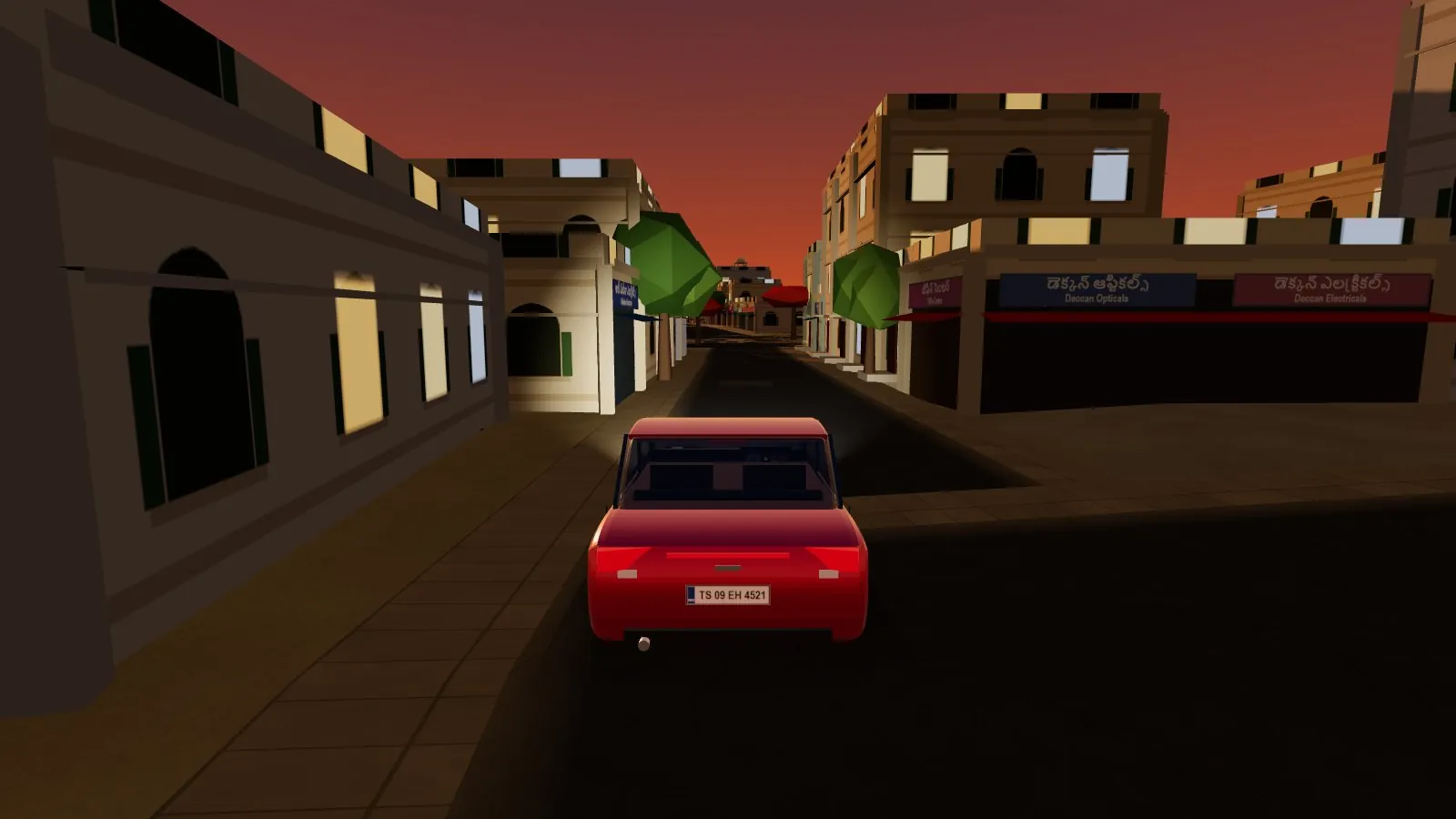
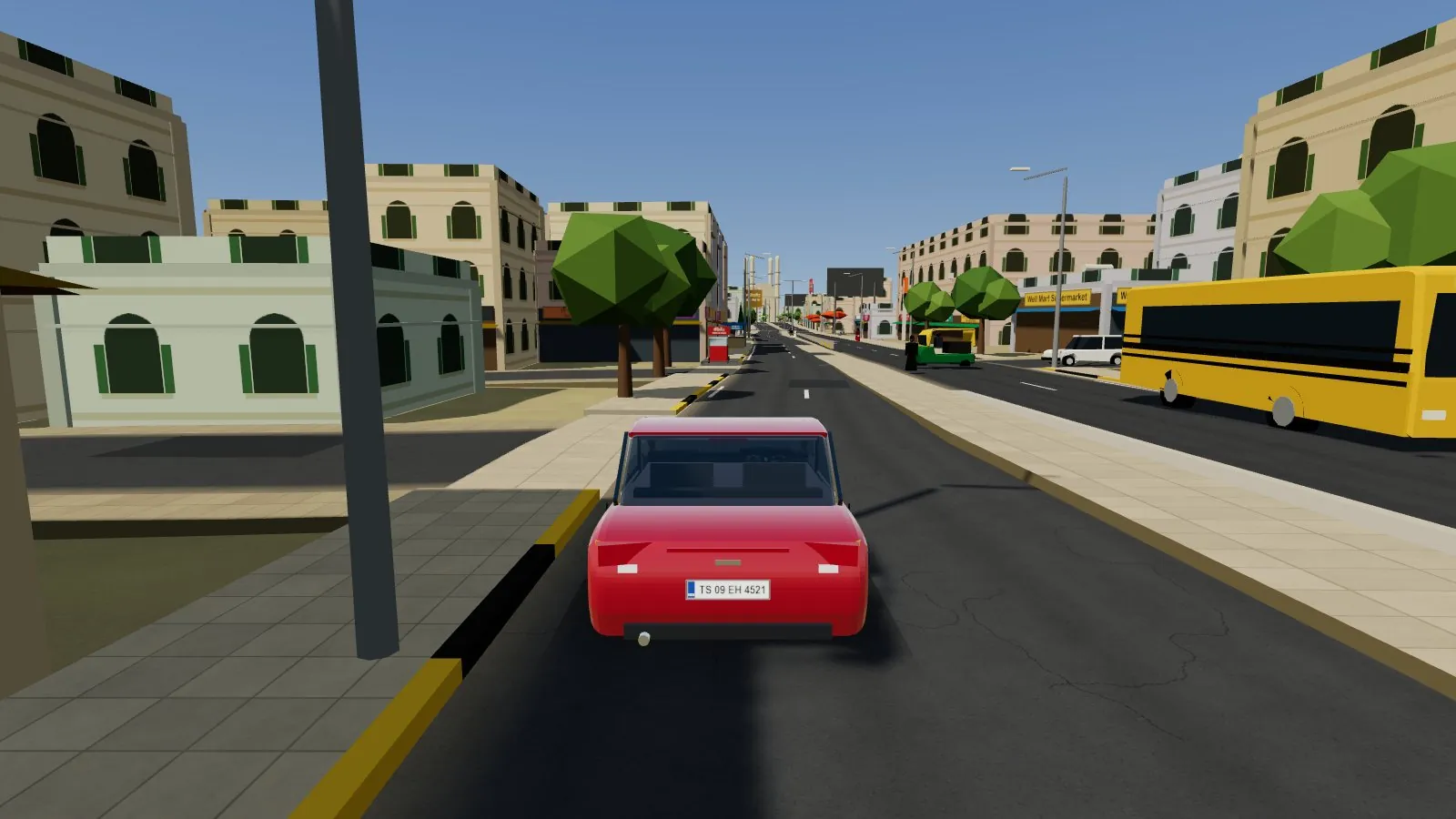
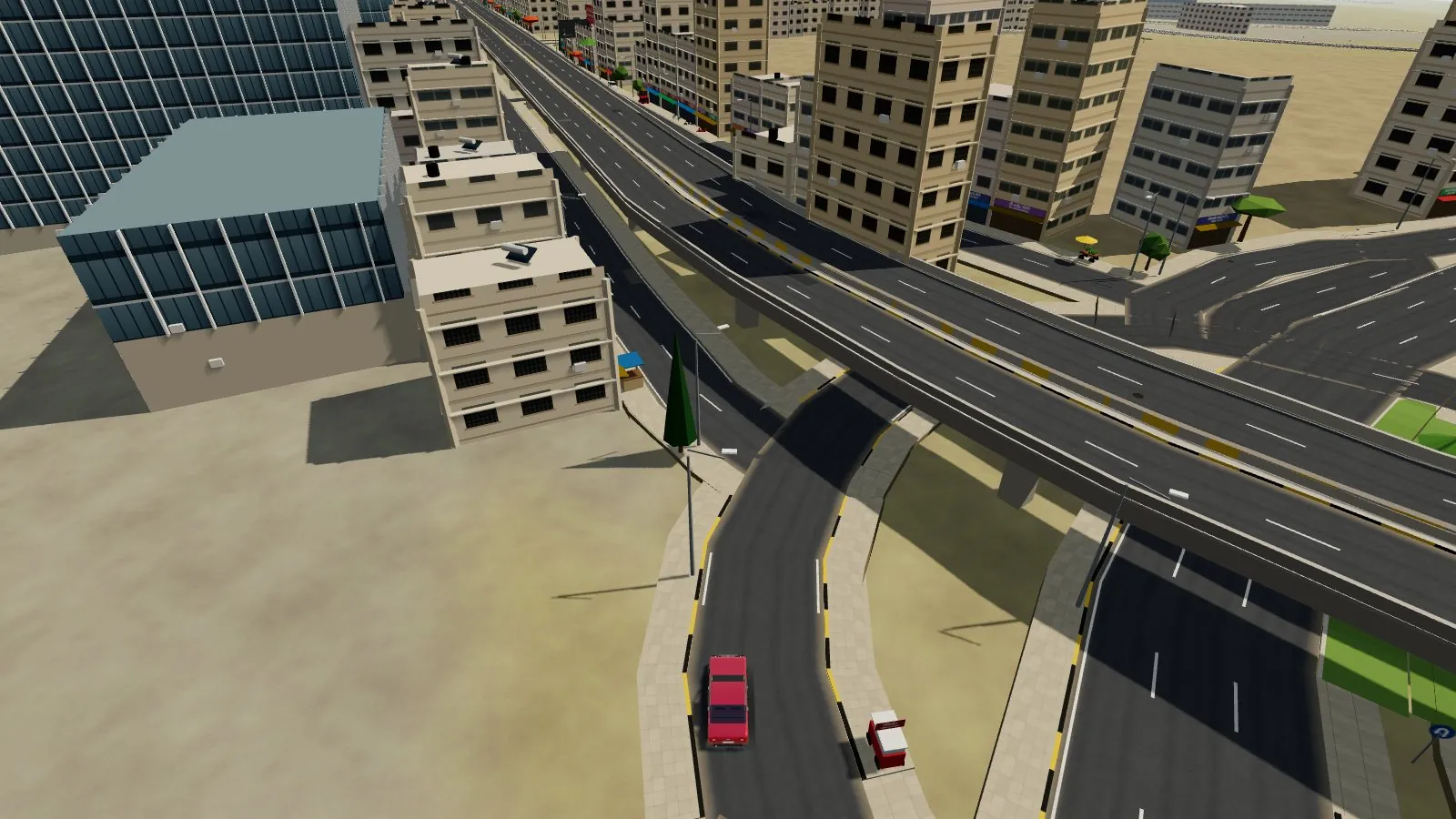
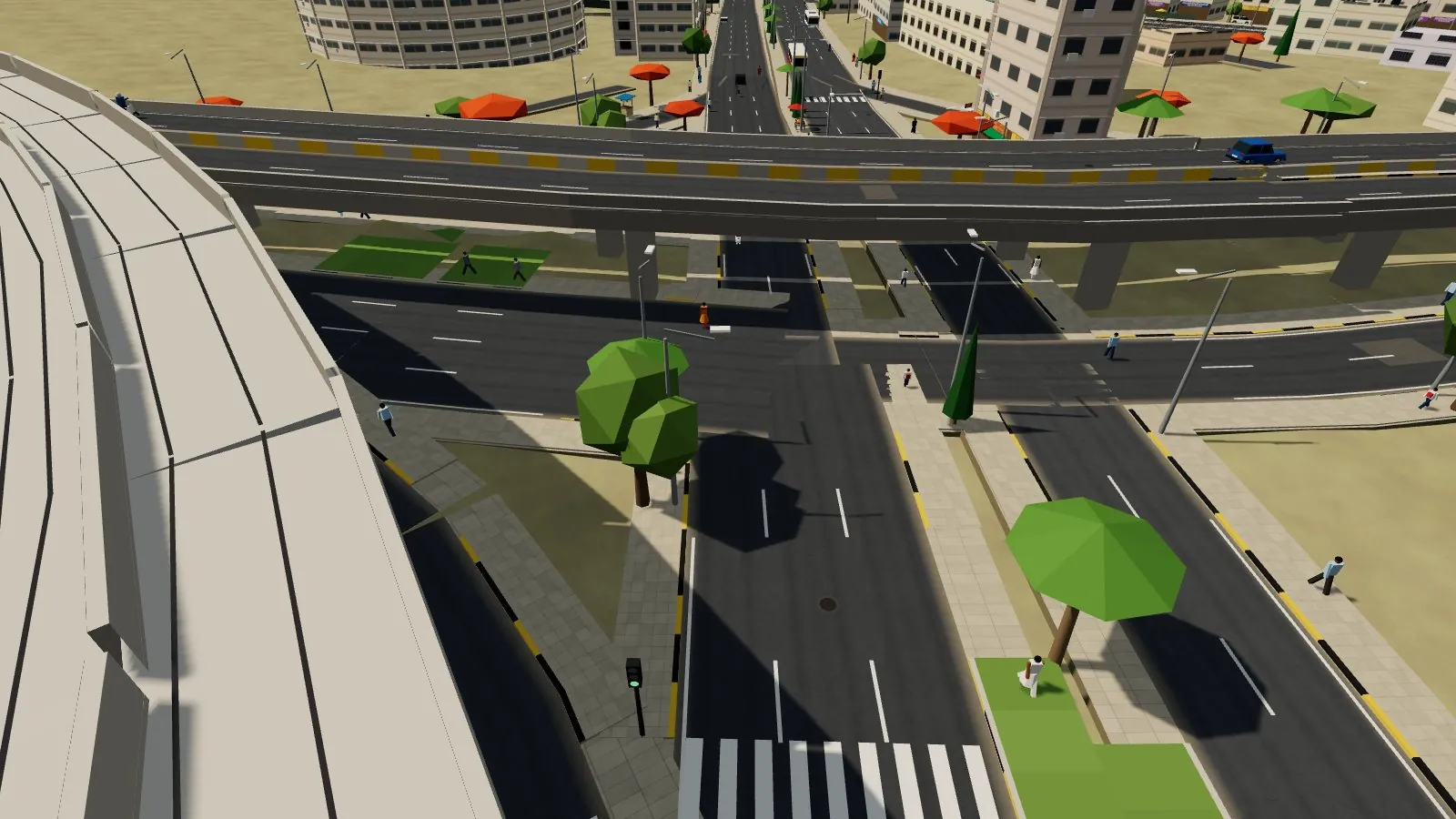
You can practise the scanning, signalling and junction habits, though not the feel of real braking. Sawari is a free browser driving simulator on five real Hyderabad routes, with an automatic car and traffic that keeps left. It runs on a phone with an on-screen steering wheel, a tablet, a laptop or a PC.
It checks keep-left, indicators, signals and speed breakers, and the debrief at the end lists every fault, including collisions. It has no mirrors and no weather, so it cannot train mirror checks or wet-road gaps. It is practice only. Try Cyber Towers to Jubilee Hills in heavy traffic and see how many junctions you get through with a clean record.
Frequently asked questions
What is defensive driving?
Defensive driving means driving so that you can avoid a crash even when other road users make mistakes. In practice it is a set of habits: keeping space around your car, looking well ahead, expecting the unexpected and adjusting your speed to the conditions.
What is the three-second rule in driving?
Pick a fixed point such as a pole. When the vehicle ahead passes it, count three seconds; if you reach the point before you finish, you are too close. It is a rule of thumb, not a legal figure, and you should allow more in rain, at night or behind trucks and buses.
Is defensive driving possible in Indian traffic?
Yes, though it looks different from a textbook. Gaps get filled by two-wheelers, so the aim is not a perfect empty space but a buffer you keep rebuilding, plus a constant habit of scanning and covering the brake when something might move into your path.
Is there a law about following distance in India?
Yes. The Motor Vehicles (Driving) Regulations, 2017 require drivers to keep enough distance from the vehicle ahead to stop safely if it slows or stops suddenly, and to increase that distance in bad weather. The law does not set a number of seconds or metres.
Free in your browser on a phone, tablet, laptop or desktop. No download, no sign-up.
Sawari is a practice simulator. It does not replace lessons with a licensed instructor or the official RTA test. Always follow the signs, signals and traffic police on the real road.