Hyderabad Outer Ring Road (ORR) guide: lanes, exits, tolls, speed limits and safety
A guide to the Hyderabad Outer Ring Road (ORR): its 158 km and eight lanes, exits, distance-based FASTag tolls, lane speed limits and staying safe at speed.
The Hyderabad Outer Ring Road (ORR), officially the Nehru Outer Ring Road, is a 158 km, eight-lane expressway that loops right round the city. It is the fastest way between the IT corridor, the airport and the highways out of Hyderabad, and it rewards drivers who keep to their lane, watch their speed and plan their exit early.
What the Hyderabad ORR is
The ORR is an access-controlled expressway: you can only join or leave it at interchanges, there are no signals, no crossing traffic and no shops or houses opening onto it. It has four lanes in each direction, separated by a median, and along much of its length there are two-lane service roads on either side for local traffic.
It was built in stages by the Hyderabad Metropolitan Development Authority (HMDA). The first stretch, about 22 km from Gachibowli through Narsingi to Shamshabad, opened in November 2008 to serve the new airport. Further sections followed over the next decade, and the last gaps in the loop were closed by 2018.
The ring passes through, or close to, Gachibowli, Nanakramguda, Narsingi, Kokapet, Shamshabad, Pedda Amberpet, Ghatkesar, Keesara, Shamirpet, Medchal, Kandlakoya and Patancheru. It crosses or meets the main national highways leaving the city, including the roads towards Bengaluru, Vijayawada, Warangal, Nagpur and Mumbai.
Exits and interchanges
There are roughly twenty interchanges on the ORR, and new ones have been added as the city has grown, so any count you read goes out of date quickly. Some of the ones Hyderabad drivers use most are:
- Gachibowli and Nanakramguda, for the Financial District, Gachibowli and HITEC City.
- Kokapet and Narsingi, for the newer western suburbs.
- Shamshabad, for Rajiv Gandhi International Airport and the Bengaluru highway.
- Pedda Amberpet, for the Vijayawada highway and the eastern side of the city.
- Ghatkesar, for the Warangal road.
- Shamirpet and Medchal, for the northern highways.
- Patancheru, for the Mumbai highway and the industrial area to the west.
Exits are numbered, and the overhead signs show both the number and the place names well in advance. On a road this fast, the numbers are easier to read and remember than the names. Before you set off, note the exit you want and the one before it, so you know when to start moving left.
Tolls and FASTag
The ORR uses closed, distance-based tolling. You pass a toll plaza when you join and when you leave, and the charge depends on the distance between those two interchanges, not on a fixed fee per plaza. Short hops cost little; a long run round half the ring costs more.
Since 2023 the tolling, operation and maintenance of the ORR have been run by IRB Golconda Expressway, a company of IRB Infrastructure, under a 30-year toll-operate-transfer agreement with HMDA. The road itself still belongs to the state.
- Use a FASTag. It is the normal way to pay, and FASTag lanes move far faster than cash. Make sure your tag is active, linked to the right vehicle and has enough balance before you join.
- Pick the right lane at the plaza. Lanes are marked overhead. Move into a FASTag lane early and slow down smoothly; plazas are where many low-speed bumps happen.
- Check current rates before you travel. Rates are revised periodically, so we do not list them here.
Speed limits and lane discipline
The ORR has speed limits by lane. Since June 2023 the maximum in the two lanes nearest the median has been 120 km/h, up from 100 km/h. The two outer lanes are limited to 80 km/h, and are where heavy vehicles and slower traffic belong. Limits can be lower near interchanges, toll plazas and works, and they can be changed, so the signs on the road always come first. There is also a minimum speed in the fast lanes, so do not dawdle in them.
Lane discipline matters more here than anywhere else in the city, because speed differences between lanes are large.
- Keep left unless overtaking. In India we drive on the left, so the right-hand lanes are the faster ones. Overtake on the right, then move back.
- Do not undertake. Passing on the left at 100 km/h, where nobody is looking for you, is one of the most dangerous things you can do on the ORR.
- Signal early and hold it. Check your mirrors, check your blind spot, signal, and move one lane at a time. Our guide to indicators and lane discipline covers the routine.
- Leave a big gap. At 120 km/h you cover more than 30 metres a second. Keep at least a three-second gap, and more at night or in rain.
- Watch lorries. They are slow uphill, long to overtake and have large blind spots. Pass them decisively, do not sit alongside.
Staying safe on the ORR
Fatigue and monotony
The ORR is wide, straight for long stretches and much the same for many kilometres. That makes it easy to drift above the limit without noticing and easy to get drowsy, especially late at night or after a long day at work. If you feel your eyes getting heavy, open a window, leave at the next exit and rest. A short break is far safer than pushing on.
Night driving
Much of the ORR is lit, but not every stretch, and lighting can be patchy near interchanges and works. Use dipped headlights, dip early for oncoming traffic on curves, and watch for unlit vehicles parked near the edge. Our night driving tips have more.
Rain
Heavy rain on a fast road brings spray, standing water and aquaplaning. Slow down well below the limit, keep further back and avoid sudden steering or braking. See our monsoon driving guide.
Breakdowns
If your car develops a problem, signal and move left to the edge or shoulder as smoothly as you can, ideally onto an exit. Switch on your hazard lights. Get everyone out on the side away from traffic and stand behind the crash barrier if it is safe to do so. Do not stand in front of or behind the car, and do not try to change a tyre on the live lane side.
For an emergency, call 112. The ORR also has its own helpline and roadside SOS facilities; the numbers are shown on signboards along the road, so note them before you need them.
How the ORR changed Hyderabad
The ORR did more than speed up journeys. Before it, long-distance lorries had to pass through or near the city. Now much of that freight can go round, which takes heavy traffic out of inner roads.
It also reshaped where people live and work. The Financial District, Kokapet, Narsingi and Tellapur grew quickly because the ORR put them within easy reach of the airport and the IT corridor. Warehouses and logistics parks clustered round its eastern and northern interchanges. More than 30 radial roads link the ORR with the inner city, and the planned Regional Ring Road is meant to do for the wider region what the ORR did for the city.
The flip side is that some interchanges, such as Gachibowli and Nanakramguda, now see heavy queues at peak hours, as the city has grown up to the edge of the ring.
Practising high-speed habits in Sawari
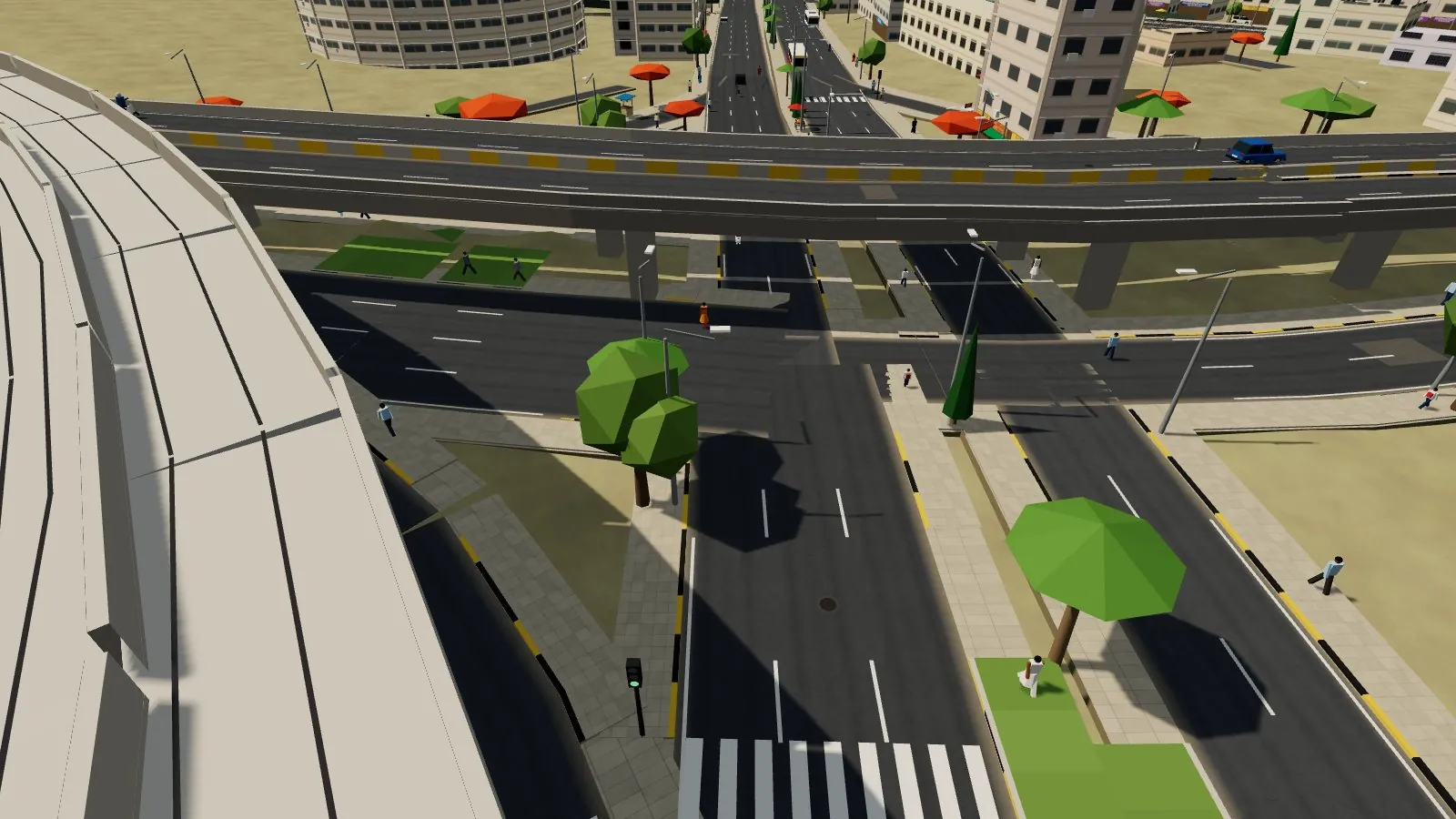
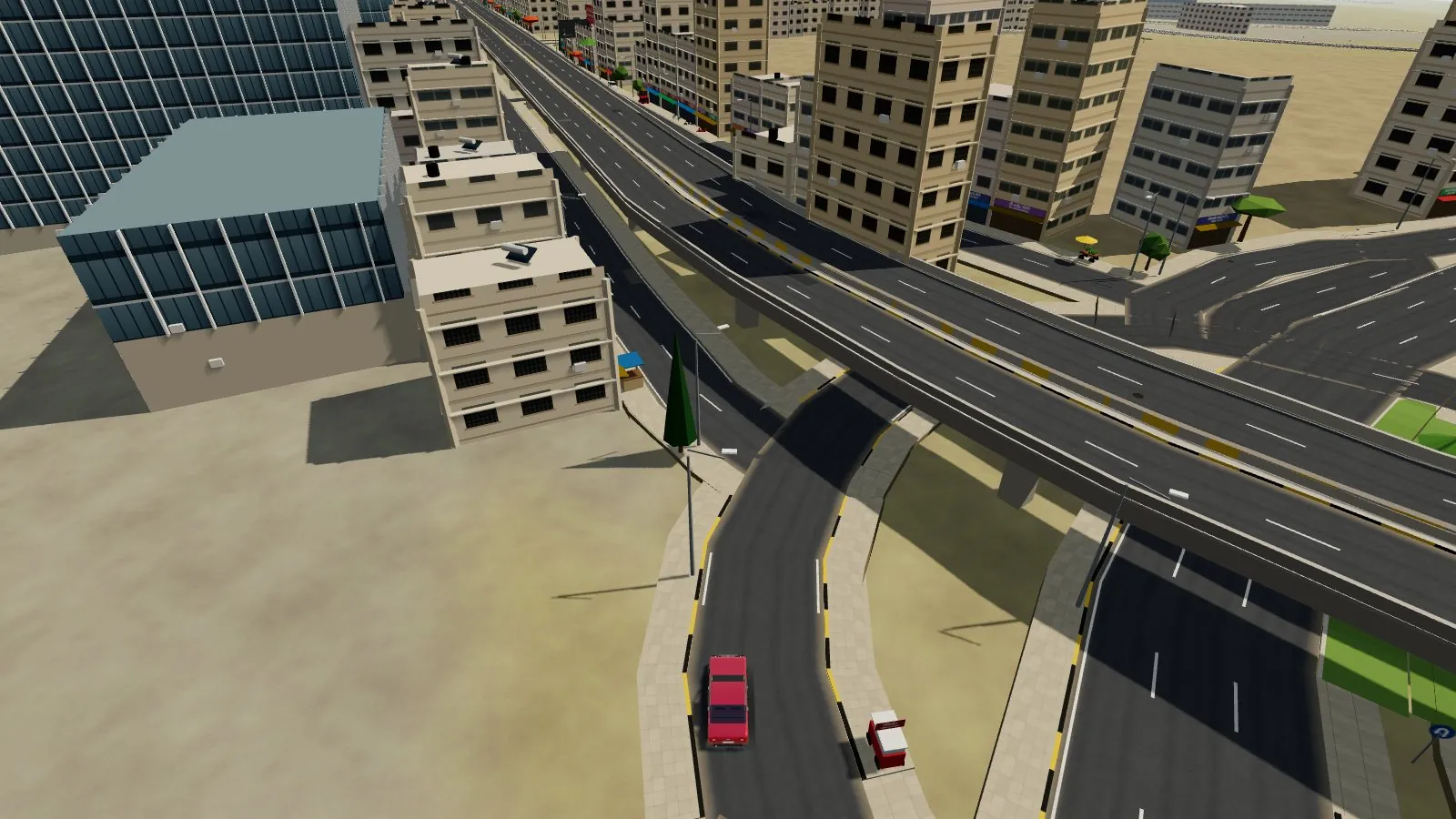
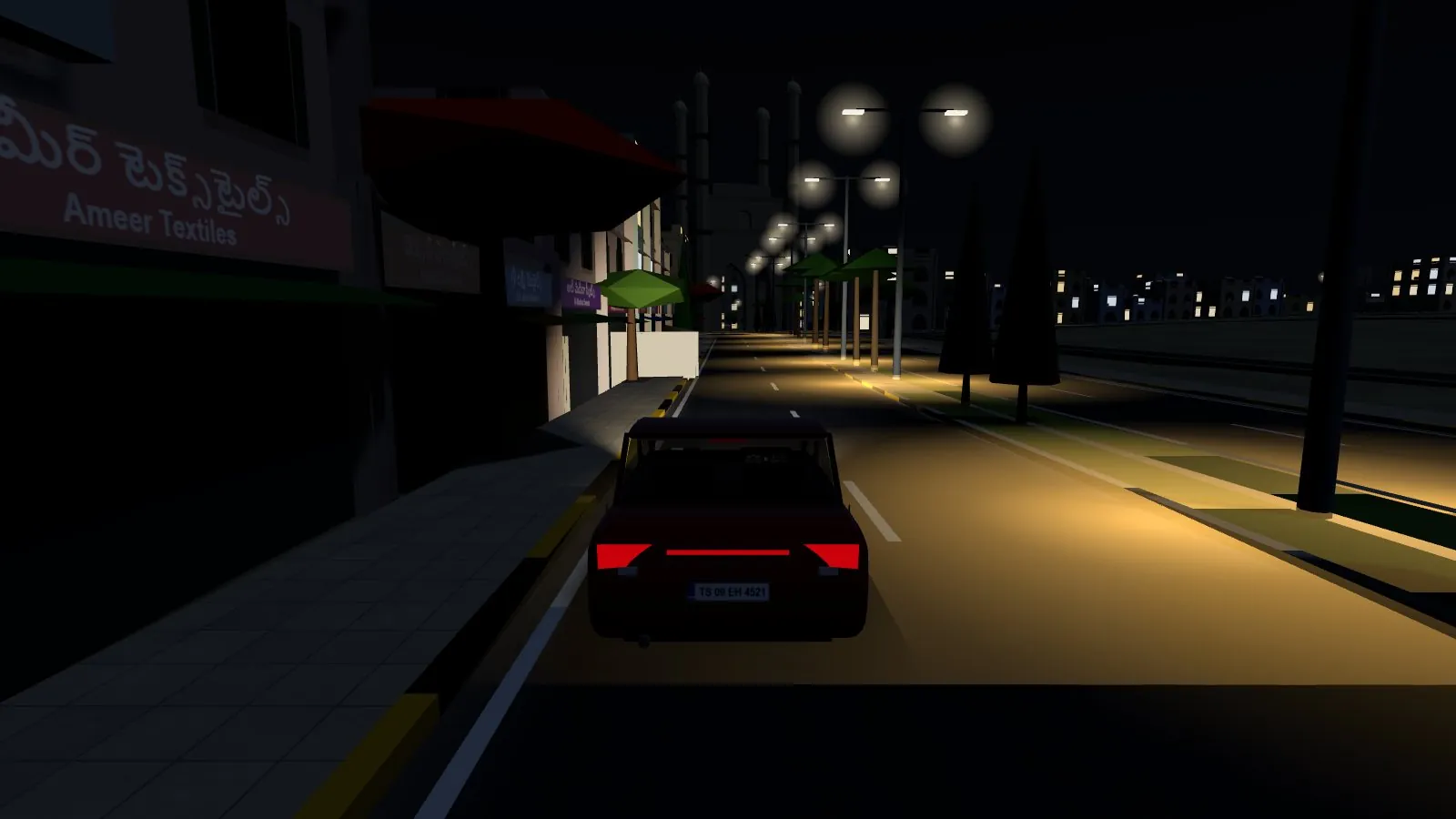
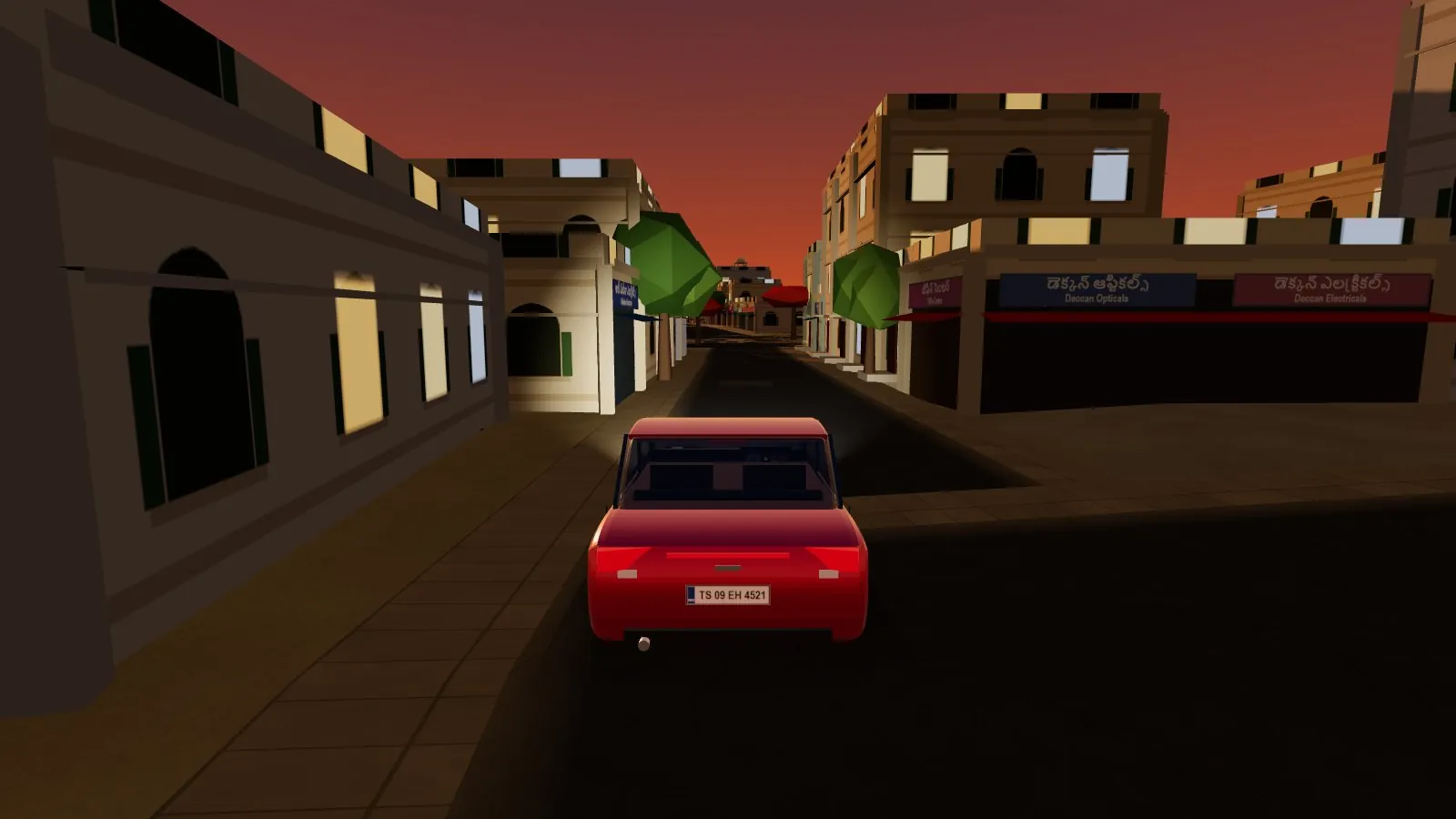
Sawari does not include the ORR. It is a free browser driving simulator on five real Hyderabad routes, built from OpenStreetMap, and all five are city roads. What it can help with are the habits the ORR depends on: keeping to your lane, signalling every lane change, and planning moves early.
The Cyber Towers to Jubilee Hills route is the closest match. It has wide multi-lane stretches, flyover ramps and merging traffic, and Sawari's debrief flags every lane change or turn you made without signalling (Q and E). Set traffic to Busy or Dense to practise finding gaps. Read our HITEC City to Jubilee Hills guide first, then start the drive. Sawari is for practice only and is no substitute for real driving lessons.
For the latest official information on the ORR, see the HMDA website.
Frequently asked questions
How long is the Hyderabad Outer Ring Road?
The Nehru Outer Ring Road is about 158 km long. It is an eight-lane, access-controlled expressway with four lanes in each direction, circling the city through Gachibowli, Shamshabad, Pedda Amberpet, Ghatkesar, Shamirpet, Medchal and Patancheru.
What is the speed limit on the ORR?
Since 2023 the limit in the two lanes nearest the median has been 120 km/h, and the two outer lanes are limited to 80 km/h. Limits can change and differ near interchanges, so always follow the signs on the road.
How does the ORR toll work?
The ORR uses closed, distance-based tolling: you are charged for the distance between the interchange where you join and the one where you leave. FASTag is the normal way to pay. Rates are revised from time to time, so check the current rate before you travel.
Can two-wheelers use the Hyderabad ORR?
No. Two-wheelers and three-wheelers such as autos are not allowed on the ORR main carriageway. They can use the service roads that run alongside much of it.
Sawari is a practice simulator. It does not replace lessons with a licensed instructor or the official RTA test. Always follow the signs, signals and traffic police on the real road.