Hyderabad traffic rules: the ones that matter most on the road
The Hyderabad traffic rules that matter most every day: keeping left, signals and stop lines, seat belts, helmets, phones, lanes, free lefts and e-challans.
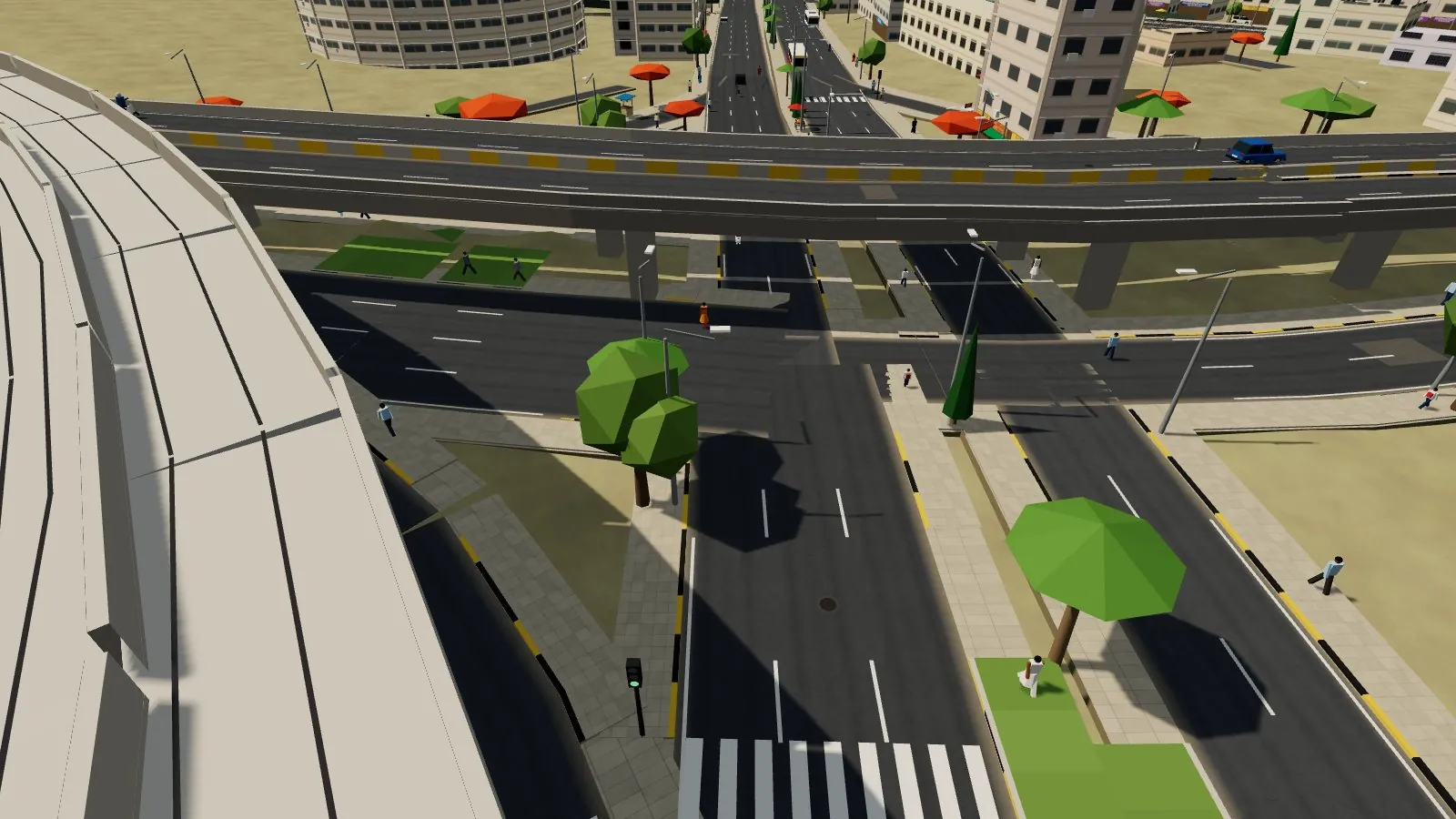
Hyderabad traffic rules are the national Motor Vehicles Act rules, enforced by Hyderabad Traffic Police with cameras, checkpoints and e-challans. This guide covers the ones that decide whether your daily drive is safe and legal: keeping left, signals and stop lines, belts and helmets, phones, drink driving, lanes, free lefts, zebra crossings and emergency vehicles.
We have left out fine amounts on purpose. They change, and the point is not the money. If you want the current figures, check with Hyderabad Traffic Police or the Telangana Transport Department.
Keep left, and never drive on the wrong side
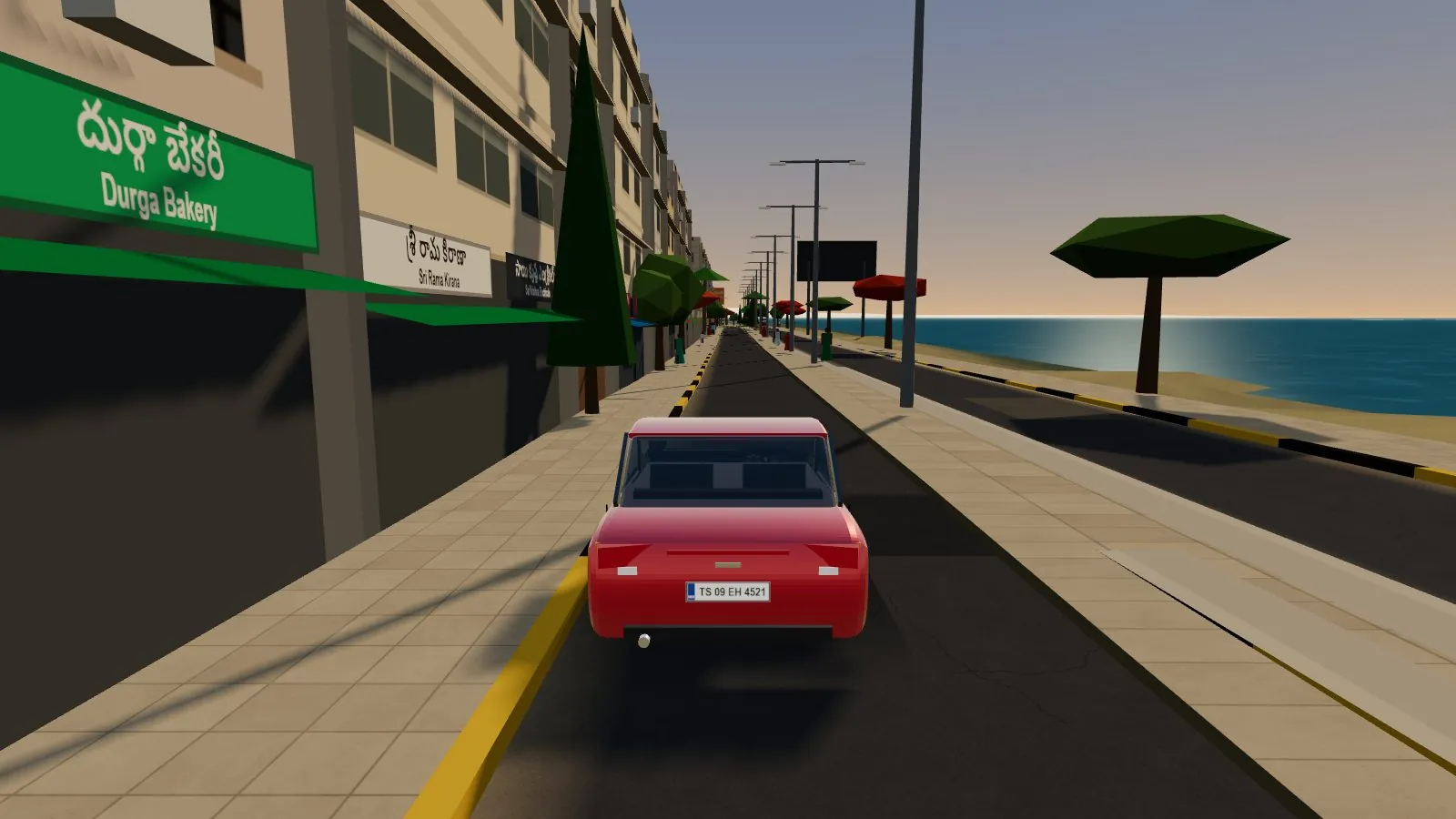
India drives on the left. On a two-way road without a median, stay left of the centre line unless you are overtaking or turning right. On a divided road, use your own carriageway and nothing else.
Wrong-side driving is one of the most common and most dangerous habits in the city. A rider who saves two hundred metres by going against traffic to reach a U-turn is head-on to everyone coming the right way. Do not do it, and expect others to: watch the median edge and the kerb side for scooters coming towards you, especially near U-turn openings and colony entrances.
On one-way roads, the arrow signs and the flow of traffic tell you the legal direction. If you have gone the wrong way, stop safely and turn round. Do not carry on "just to the next turn".
Signals, stop lines and zebra crossings
Red, amber and green
Red means stop behind the stop line. Amber means stop too, unless you are so close that braking hard would be unsafe. Amber is not a signal to speed up. Green means you may go if the junction is clear, so do not drive into a box you cannot get out of.
Many Hyderabad junctions have countdown timers. Use them to plan a smooth stop, not to race the last few seconds. Some junctions are also run by a traffic police officer, especially at peak hours. When an officer is directing traffic, their hand signals override the lights.
The stop line is the line
Stop with your front bumper behind the white stop line, not on it and not past it. Stopping on the zebra crossing forces people on foot into the moving traffic. Stop-line violations are something the police actively photograph at signals.
Zebra crossings
The black and white stripes belong to pedestrians. Slow down as you approach one, be ready to stop for anyone stepping out, and never overtake a vehicle that has stopped at a crossing: it may have stopped for someone you cannot see.
Belts, helmets, phones and drink driving
Seat belts
Wear your seat belt from the first metre of every trip, and make sure your passengers do too, in the back as well as the front. Children should be properly restrained, not on someone's lap.
Helmets
On a two-wheeler, both the rider and the pillion must wear a proper helmet, fastened. A helmet hanging from the mirror or perched unbuckled on the head does nothing in a fall. Hyderabad Traffic Police photograph helmetless riders and issue e-challans for it, so this is one of the most enforced rules in the city.
Phones
Do not hold or use your phone while driving or riding. That includes reading messages at a red light, because the light changes and your attention is still on the screen. If you use navigation, mount the phone, set the destination before you move and let the voice guide you. If you must make a call, pull over somewhere safe and legal first.
Drink driving
The legal limit is very low: 30 mg of alcohol per 100 ml of blood. Hyderabad Traffic Police run breath-test checks, often at night and at weekends. The only safe plan is not to drink at all if you are driving. Book a cab, use a designated driver or leave the car at home.
Lanes and overtaking
Where lanes are marked, drive within one, not across two. Choose your lane early for the turn you want, and move across only when you have checked and signalled. Weaving from lane to lane in slow traffic gains almost nothing and causes a lot of scrapes.
Overtake on the right, not the left. Do not overtake near junctions, on bends, on the approach to a zebra crossing, or where a solid centre line tells you not to. Keep to the left when you are not overtaking, so faster traffic can pass you safely.
Use your indicators before every turn and every lane change. Our guide to indicators and lane discipline goes into how early to signal and how to pick a lane on Hyderabad's wide roads.
Free lefts, U-turns and giving way
Free left turns
At many signalled junctions in Hyderabad, the left turn is "free": a slip lane or a sign lets left-turning traffic go even when the main light is red. Two rules follow from that.
- Only treat a left turn as free where it is signed or clearly built as one. If it is not, wait for the signal like everyone else.
- If you are going straight or right, do not stop in the left lane and block the free left. Traffic police treat blocking it as an offence, and it holds up everyone behind you.
Even on a free left, give way to pedestrians crossing the slip lane and to traffic already on the road you are joining.
U-turns
Many junctions in the city no longer allow a right turn. Instead, you go straight or left and use a U-turn opening in the median further along. Make U-turns only where they are allowed, from the right of your carriageway, and slowly. Our post on U-turns in Hyderabad explains how to take them safely.
Emergency vehicles
When you hear a siren or see flashing lights from an ambulance or fire engine, help it through. Move left as far as you safely can, slow down or stop, and do not follow closely behind it to jump the traffic. Since the 2019 amendments to the Motor Vehicles Act, failing to give way to an emergency vehicle is a specific offence. Never move into a junction on red to make space unless it is clearly safe.
E-challans, documents and the cameras
Most traffic offences in Hyderabad are now caught on camera rather than at a checkpoint. Signal cameras, roadside cameras and officers with handheld cameras photograph the vehicle and the number plate, and an e-challan is raised against the registered owner. You often find out only when you check online or when you sell the vehicle.
You can look up challans against your vehicle number on the official Hyderabad Traffic Police e-challan site. Pay or dispute them only through official channels, and ignore messages or links that ask for payment from anywhere else.
Carry your driving licence, registration certificate, valid insurance and pollution certificate. Digital copies held in the official DigiLocker or mParivahan apps are accepted. Keep your number plate clean, readable and in the standard format, because the cameras need to read it as much as the police do.
Practising the rules in Sawari
Sawari is a free browser driving simulator on real Hyderabad streets. It is not a replacement for lessons, but it is a safe place to build the habits above before you need them on the road.
- Keep left: the blue route band shows your lane, and the game logs a fault if you drift right of the centre line or go the wrong way on a one-way road.
- Signals: running a red light is a fault, and crossing the line on amber earns a warning.
- Indicators: press Q for left and E for right before each turn. They cancel themselves after the turn, and a missed signal shows up in your debrief.
- Speed: the limit sign at the bottom right of the screen changes with the road. Speeding and taking speed breakers too fast are both faults.
- Pedestrians and traffic: set the traffic level from None to Dense, and practise leaving room for pedestrians and for buses and autos that stop without warning.
At the end of each drive the debrief lists every fault with advice on how to avoid it. A good first drive is Tank Bund Road, which has no turns to make, followed by Banjara Hills Road No. 1 for busy junctions. Switch to the driver's seat with C to get used to seeing the road from the right-hand side of the car. When you are ready for more, read our guide to driving in Hyderabad for beginners.
Frequently asked questions
How do I check if I have an e-challan in Hyderabad?
Hyderabad Traffic Police publish e-challans online. Search by your vehicle number on their e-challan website, and pay or contest them through the official channels only.
Is a helmet compulsory for the pillion rider in Hyderabad?
Yes. Indian law requires both the rider and the pillion on a two-wheeler to wear a protective helmet, and Hyderabad Traffic Police enforce it for both.
Can I turn left on a red signal in Hyderabad?
Only where a free left is signed or marked at that junction. Everywhere else, a red light means stop for every direction, including left.
Do rear-seat passengers need to wear seat belts?
Yes. Seat belts are meant for everyone in the car, front and back. Make it a habit that nobody rides without one, whatever the trip.
Sawari is a practice simulator. It does not replace lessons with a licensed instructor or the official RTA test. Always follow the signs, signals and traffic police on the real road.