U-turns in Hyderabad: how to use median openings safely
U-turns in Hyderabad have replaced many right turns. How to choose the opening, position the car, signal, judge the gap and watch for two-wheelers as you turn.
U-turns in Hyderabad are part of everyday driving. On many main roads you cannot turn right at the junction any more: you go straight on, find the next opening in the median and turn back. Done well it is calm and safe. Done badly it is where cars meet two-wheelers head-on.
Why Hyderabad uses U-turns instead of right turns
A right turn at a signalled junction needs its own phase of the lights, and every second given to right turners is a second taken from traffic going straight. On busy corridors the traffic police have closed many of these right turns. Traffic going right continues through the junction, or turns left, and then makes a U-turn at a median opening a short distance away.
The result is fewer signal phases and smoother through traffic, but it moves the tricky part of the turn to the U-turn itself. A U-turn opening has no lights. You decide when it is safe, and so does everyone else.
The layouts change from time to time as junctions are redesigned. If a right turn you used to take is now closed, look for the signs telling you where the nearest U-turn is.
Finding the right opening
Not every gap in the median is a U-turn. Some are for emergency vehicles, some are pedestrian crossings and some were simply cut by people who did not want to drive further. Use openings that are clearly meant for turning:
- A U-turn sign before or at the opening is the clearest sign it is allowed.
- A red circular sign with a crossed-out U-turn means it is not, wherever the gap is.
- Do not make U-turns at signalled junctions where it is banned, on flyovers, on bridges, or near a bend or the crest of a slope where oncoming drivers cannot see you.
If you miss an opening, go to the next one. Never reverse along the road or cut across a gap that is not meant for traffic.
Positioning and signalling
Get to the right early
U-turns are made to the right, from the right-hand edge of your carriageway, alongside the median. Check your mirrors and over your right shoulder, signal right, and move into the right lane well before the opening. In heavy traffic this may mean moving across a few hundred metres early.
Keep the indicator on. It tells the traffic behind you why you are slowing, and tells people waiting in the opening from the other side what you plan to do.
Slow down and stop in the right place
Slow down gently, with time to spare, so you do not catch out the vehicle behind. If you need to wait, stop close to the median, inside the opening if there is a turning pocket, so traffic can pass you on the left. Do not stop half in the lane and half out. Keep your wheels pointing straight while you wait: if you are hit from behind with the wheels turned, you are pushed into the oncoming traffic.
Judging the gap and making the turn
This is the part that needs patience. You are about to cross the path of traffic coming the other way, and join it.
- Look right and far. Oncoming traffic is coming towards you on the other carriageway, and the lane nearest the median is often the fastest. Wait for a real gap, not half of one.
- Look left as well. Riders coming the wrong way along the median edge to reach the same opening are common. So are pedestrians crossing at the gap.
- Check for vehicles turning from the other side. Some openings work in both directions. Agree with the driver opposite, by eye contact or by who arrived first, before either of you moves.
- Turn slowly and steadily. Use full steering lock early and keep the car moving at walking pace. Aim to finish in the lane nearest the median, then move left when it is safe.
Larger cars, vans and anything towing may not make it round in one go on a narrow opening. Take it as wide as you safely can. If the car will not fit, stop, check all around and reverse only a short way when nothing is moving. If in doubt, find a wider opening or go round the block.
When someone else is making a U-turn
You will often be the driver coming the other way. Watch the median ahead for cars nosing out of an opening and buses trying to turn in one long sweep. Ease off and cover the brake when you see one.
If you are behind someone waiting to turn, do not hoot them into a gap they do not think is safe. Pass them on the left only when they are clearly stopped at the median and there is room.
Practising U-turns in Sawari
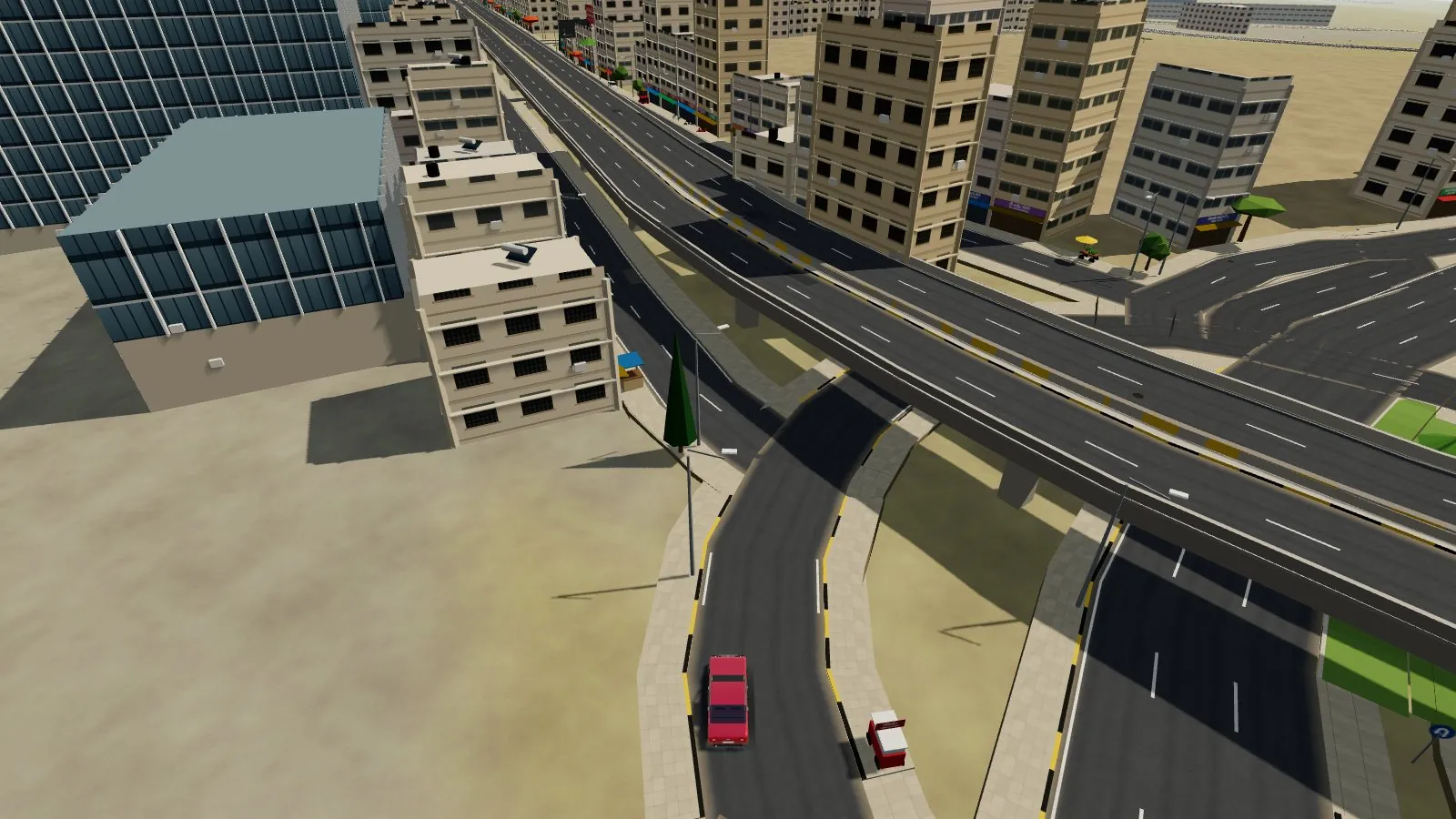
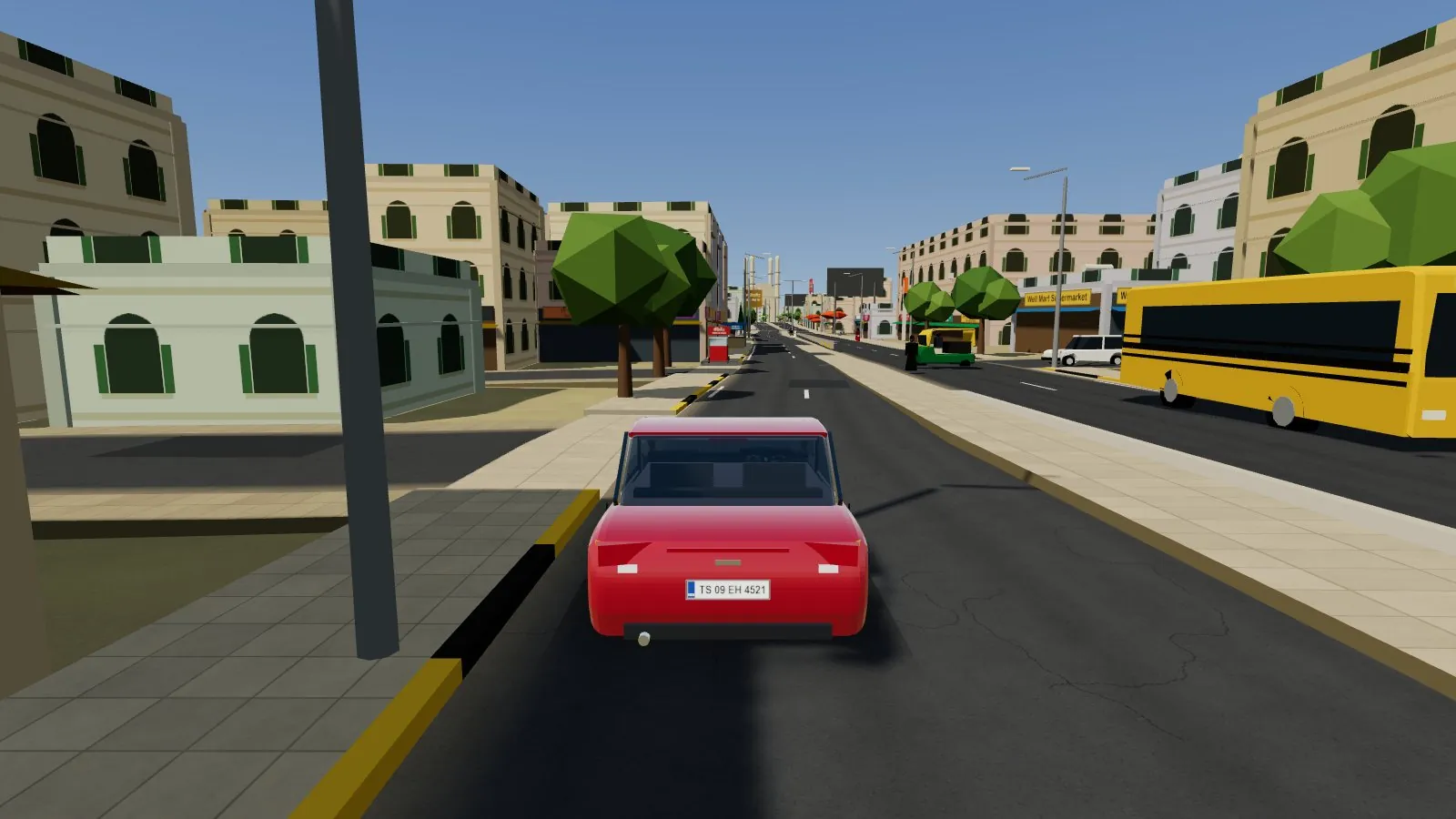
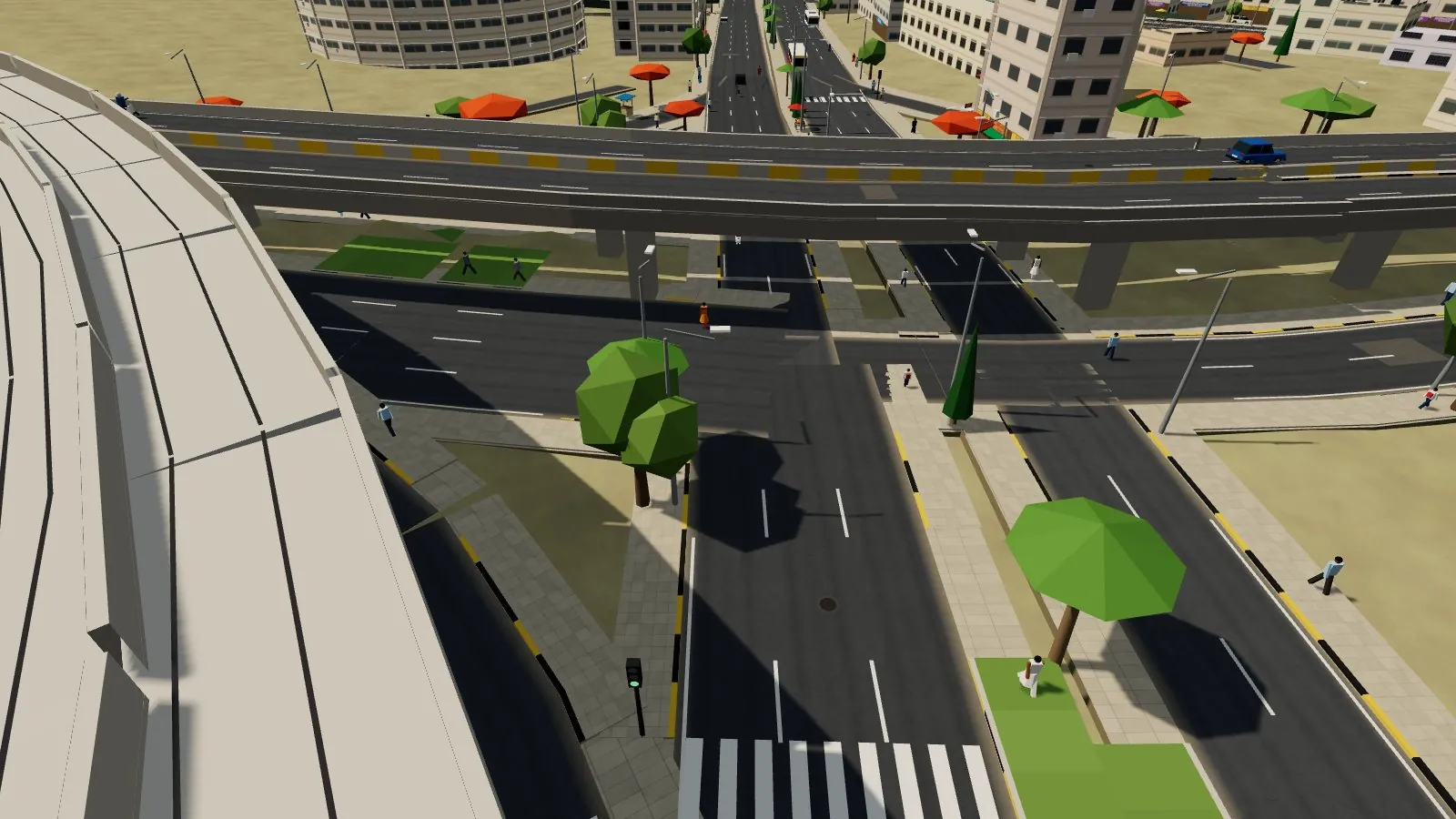
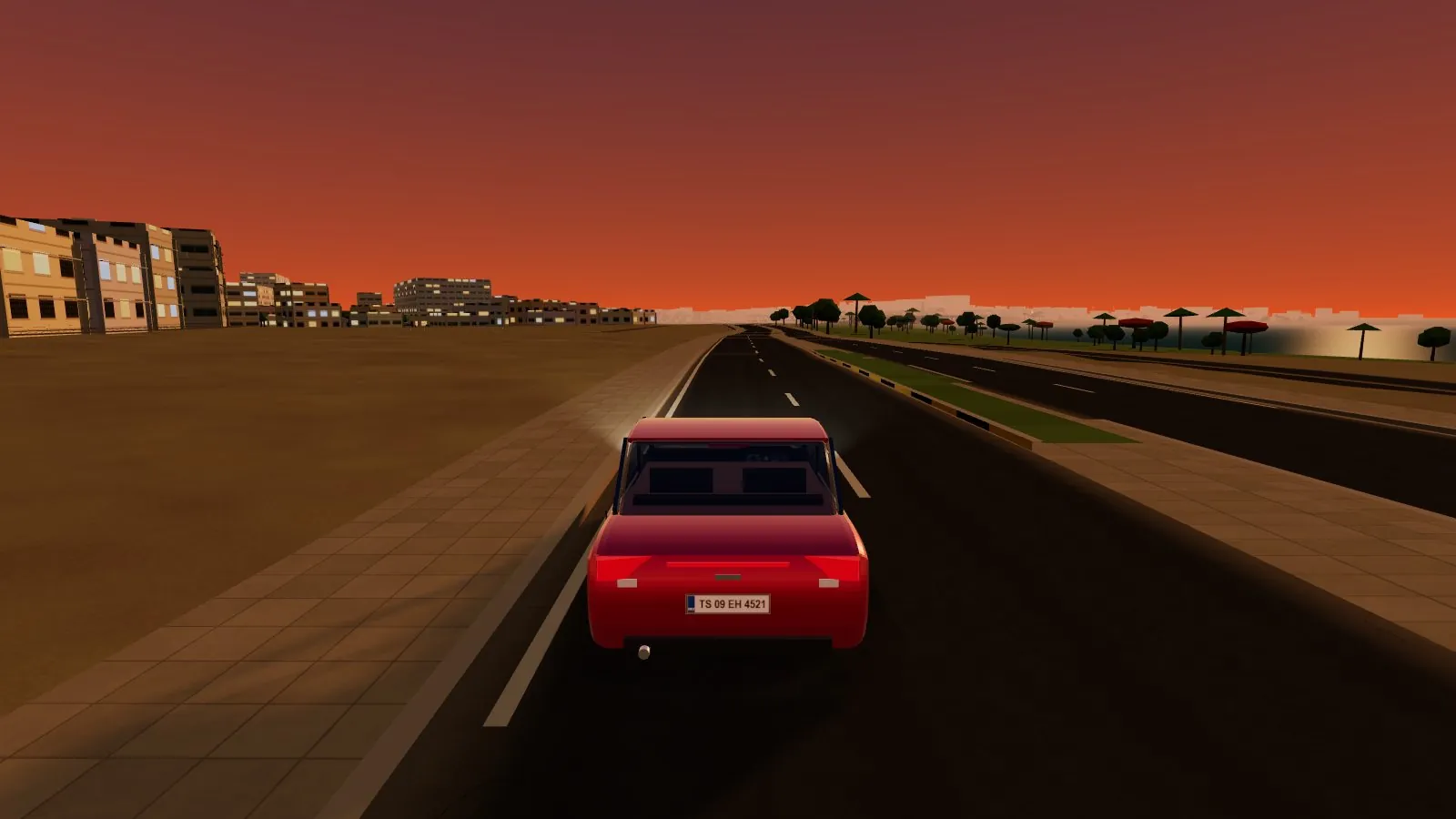
Sawari is a free browser driving simulator built on real Hyderabad roads from OpenStreetMap, and its roads have medians with U-turn openings, each marked with a blue U-turn sign. Necklace Road, the lakeside loop round Hussain Sagar, has openings in the median, and it is a gentle road to start on.
None of the five routes is planned around a U-turn, but the game treats one the way a real drive would. If you miss a turn or end up heading against the route, a banner tells you to make a U-turn at the next median opening and to look for the blue U-turn sign. You can also press R to return to the route if you would rather not.
A few ways to use it:
- Signal with E before you move across and before you turn. The indicator cancels itself once the turn is done. On route turns, the game counts a U-turn as a right turn and records a fault in the debrief if you did not signal.
- Set the traffic level higher, up to Dense, and practise waiting for a real gap. Bikes in the game filter through gaps, so you get used to checking for them.
- Switch to the driver's seat with C and drag the mouse to look right before you go. There are no mirrors in the game, so look around the way you would turn your head.
- Take it slowly. A collision with a vehicle or the median is logged as a fault, and driving against a one-way carriageway is too.
Start a drive on Necklace Road, then read the debrief for anything to work on. For the signalling side of it, see our guide to indicators and lane discipline, and for reading riders and autos around openings, sharing the road with autos, buses and two-wheelers.
Frequently asked questions
Why are there so many U-turns in Hyderabad?
On many busy roads the traffic police have closed right turns at junctions so the signal can give more time to through traffic. Drivers who want to go right continue a little further and turn back at a median opening instead.
Which indicator should I use for a U-turn in India?
The right indicator. In left-hand traffic you make a U-turn to the right, from the right-hand edge of your carriageway, close to the median.
Can I take a U-turn anywhere there is a gap in the median?
No. Only use openings meant for turning, usually marked with a U-turn sign, and never where a no U-turn sign is posted, at a signal that forbids it or on a flyover.
What if my car cannot make the U-turn in one go?
Take the turn as wide as the opening safely allows. If it still will not fit, stop, wait until it is clear and reverse a short distance only when you are certain nothing is coming.
Free in your browser on a phone, tablet, laptop or desktop. No download, no sign-up.
Sawari is a practice simulator. It does not replace lessons with a licensed instructor or the official RTA test. Always follow the signs, signals and traffic police on the real road.