Banjara Hills Road No. 1 driving guide: the climb from Masab Tank
Driving Banjara Hills Road No. 1 from Masab Tank: the uphill climb, busy signals, mall traffic, buses and autos stopping, hill starts and how to practise it.
Banjara Hills Road No. 1 is one of the busiest arterial roads in central Hyderabad, and it climbs steadily uphill from Masab Tank. The layout is simple, a divided road with no turns needed to follow it, but the signals come thick and fast, buses and autos stop without warning, and you will often be queuing on a slope.
This guide covers what driving on Road No. 1 is really like, when it is busiest, the hazards that catch people out, and how to rehearse it in Sawari before you drive it for real.
What Banjara Hills Road No. 1 is like
Layout and lanes
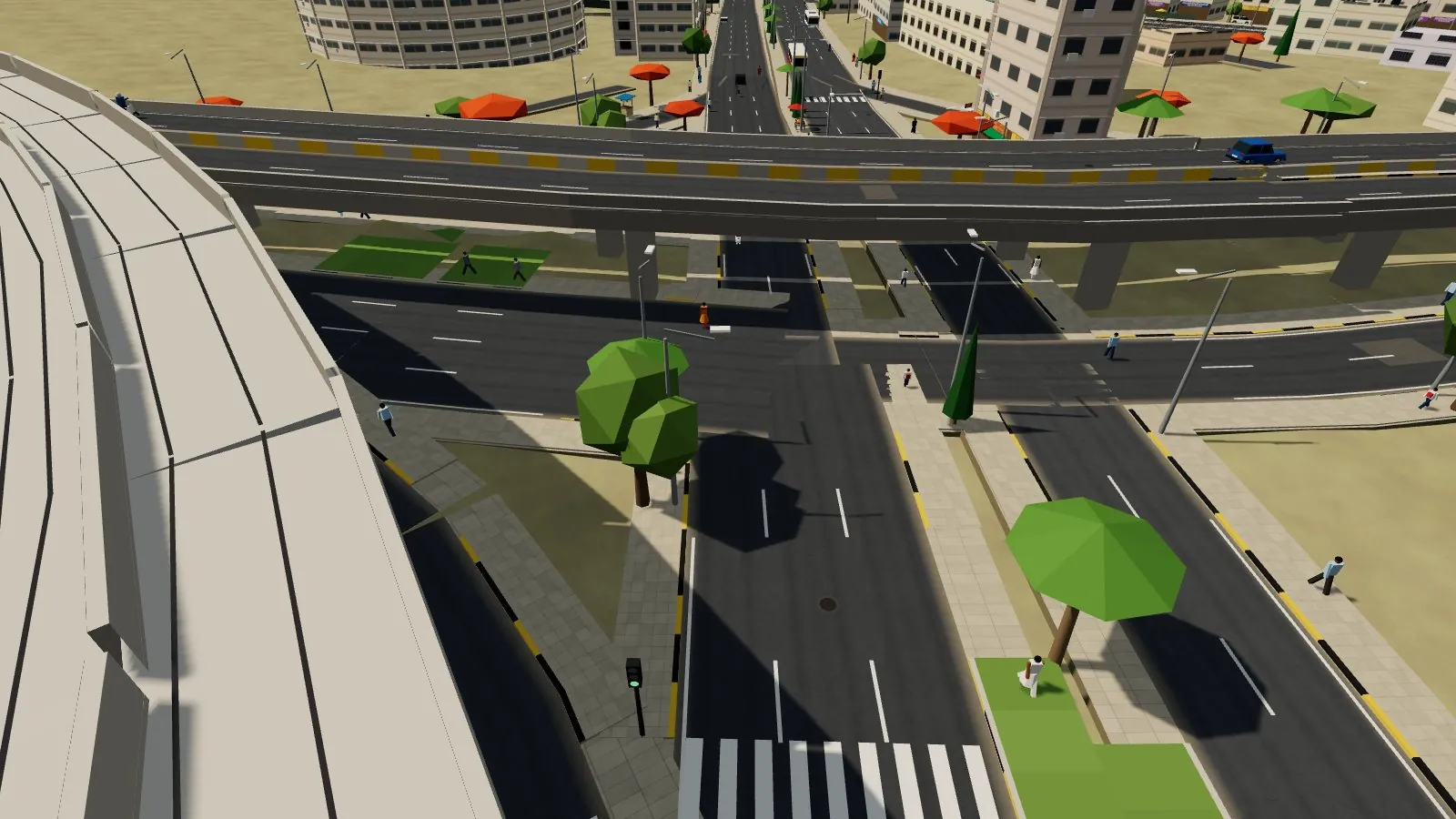
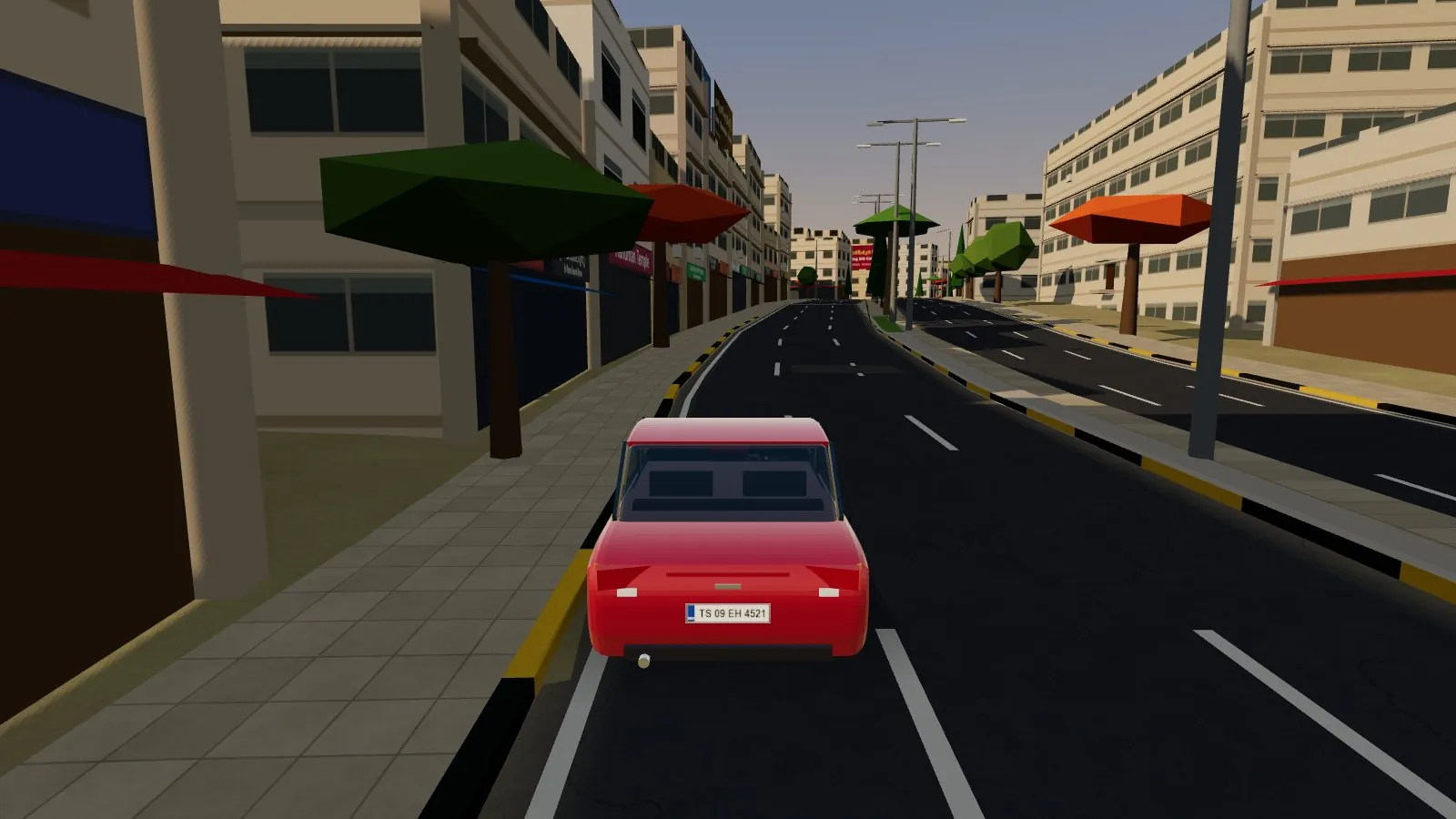
Road No. 1 starts near Masab Tank and heads north through Banjara Hills. For most of its length it is a divided road, with a median and two to three lanes in each direction depending on the stretch. Lanes narrow and widen as you go, sometimes with little warning, and the left lane is often partly taken up by stopped buses, autos and cars waiting to turn into side roads and buildings.
Road No. 1 is the first of the numbered roads that criss-cross Banjara Hills, and many of its junctions are with other numbered roads and colony streets. Some are signalled; others are simple gaps where vehicles nose out into the traffic.
The climb
Banjara Hills sits higher than the land around Masab Tank, and Road No. 1 climbs to reach it. The gradient is gentle but long. In Sawari's terrain data the road rises by around 35 metres over the first two kilometres before dropping away again near the end. You feel it most when you are stopped at a signal partway up and need to move off without rolling back.
Landmarks
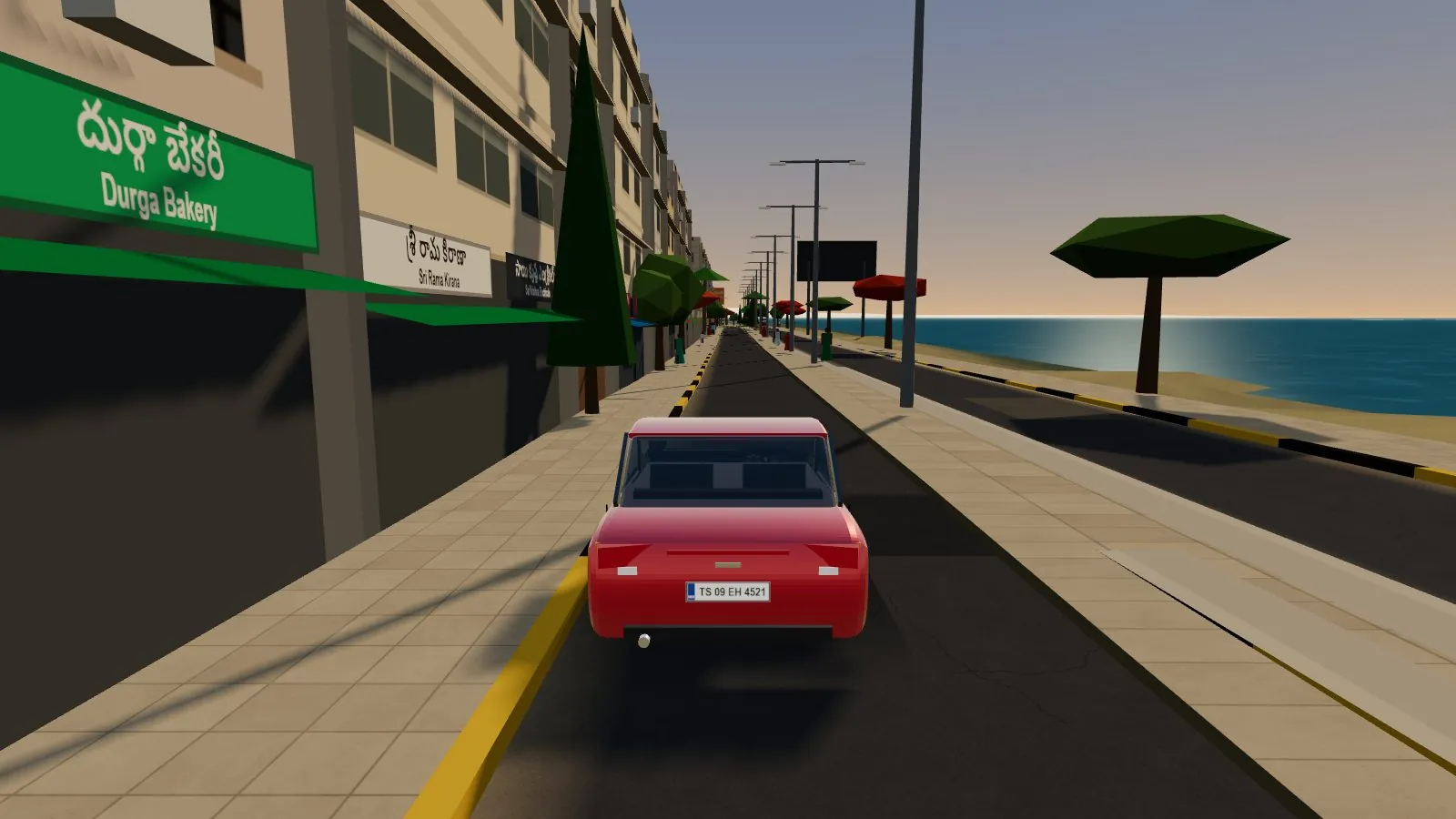
The road is lined with offices, hospitals, hotels, restaurants and shops. In its busier second half you pass well-known names such as the City Center mall, the Taj Krishna hotel and GVK One. The route in Sawari finishes near Vengal Rao Park.
When Road No. 1 is busiest
Weekday mornings and evenings bring heavy office traffic through Banjara Hills, as people travel between the older city, Punjagutta, Jubilee Hills and HITEC City. Through the day there is a steady flow of cabs, autos and delivery riders.
Evenings and weekends add shoppers, diners and visitors to the malls and restaurants, with queues to get into car parks and cabs stopping at the gates. Early mornings, especially at weekends, are usually the calmest time for a first drive. Rain slows everything further; our monsoon driving guide explains what changes.
Hazards on Banjara Hills Road No. 1
Signals close together
Signals come one after another, so you are often stopping, starting and queuing. Look well ahead to see what the next signal is doing, ease off early rather than braking hard, and stop at the line on red. Amber is not a reason to speed up, especially uphill, where a heavy vehicle behind you may struggle to stop.
Moving off on the slope
Queues on an uphill stretch mean hill starts. The car in front may roll back a little as it moves off, so leave a gap of a car's length or so when you stop. In a manual, use the handbrake or the biting point rather than slipping the clutch for long periods. In an automatic, move your foot smoothly from brake to accelerator.
Buses and autos stopping
Buses stop at the kerb and autos pull over whenever someone waves. In the left lane, expect the vehicle ahead to stop with little warning. Before you move out around it, check over your shoulder and in your mirrors for bikes coming up on your right. Our guide to sharing the road with autos, buses and two-wheelers covers this in detail.
Mall, hotel and hospital entrances
Cars slow down to turn into car parks and hotel driveways, and others nose out to join the traffic. Watch for indicators and for drivers who forget them, and do not block an entrance when you queue.
Two-wheelers and pedestrians
Bikes filter through queues at every signal and move across lanes as gaps open. People cross between stopped vehicles, particularly near bus stops and shops. When traffic is crawling, watch the gaps between cars as well as the road ahead.
Speed breakers on side roads
If you turn off Road No. 1 into a colony road, expect speed breakers soon after the junction, and not always painted ones. See speed breakers and speed limits in Hyderabad.
Practical tips for driving Road No. 1
- Settle in the middle lane where there are three, away from stopping buses on the left and turning traffic on the right.
- Look two signals ahead. It helps you slow down smoothly instead of braking late.
- Practise hill starts somewhere quiet first. A gentle slope in an empty lane is a better place to learn than a queue at a busy signal.
- Signal every lane change. With traffic this dense, early indicators help everyone.
- Follow the posted speed limits. The signs set your speed, not the car overtaking you.
- Keep calm in queues. Horns and lane changes rarely save time here.
If you are new to the city, our guide to driving in Hyderabad for beginners is a good place to start, and the Hyderabad traffic rules guide covers the rules you will be expected to follow.
Practise Banjara Hills Road No. 1 in Sawari
Sawari's Banjara Hills Road No. 1 route is a 2.6 km uphill drive from Masab Tank. It has no turns to make, but it is rated Medium because of the climb, the busy junctions and the buses and autos stopping along the way.
- Pick a time and traffic level. Start with light traffic in the morning, then build up to Dense to see the queues form at the signals.
- Follow the blue route band. It shows your lane on the route. Keep the car inside it and left of the centre line.
- Feel the climb. The terrain comes from real elevation data, and the car's physics respond to it: you need a little more throttle uphill, and the car carries speed downhill near the end. The car in Sawari is a six-speed automatic, so it is good practice for smooth brake-to-accelerator starts, though not for clutch control.
- Stop at the line on red. Running a red is the heaviest fault in the debrief. If you cross on amber, a warning reminds you to be ready to stop next time.
- Use Q and E for the indicators whenever you change lanes around stopped buses.
- Switch views with C. The driver's seat view is closer to what you will really see. The car has no mirrors, so drag the mouse to look around before you move across.
The debrief lists every fault with advice: red lights, speeding, collisions, drifting right of the centre line, leaving the road, speed breakers taken too fast and missed indicators. Your best score on the route is saved in your browser, so you can see yourself improve. Press R if you need to return to the route.
In the simulator vs the real road
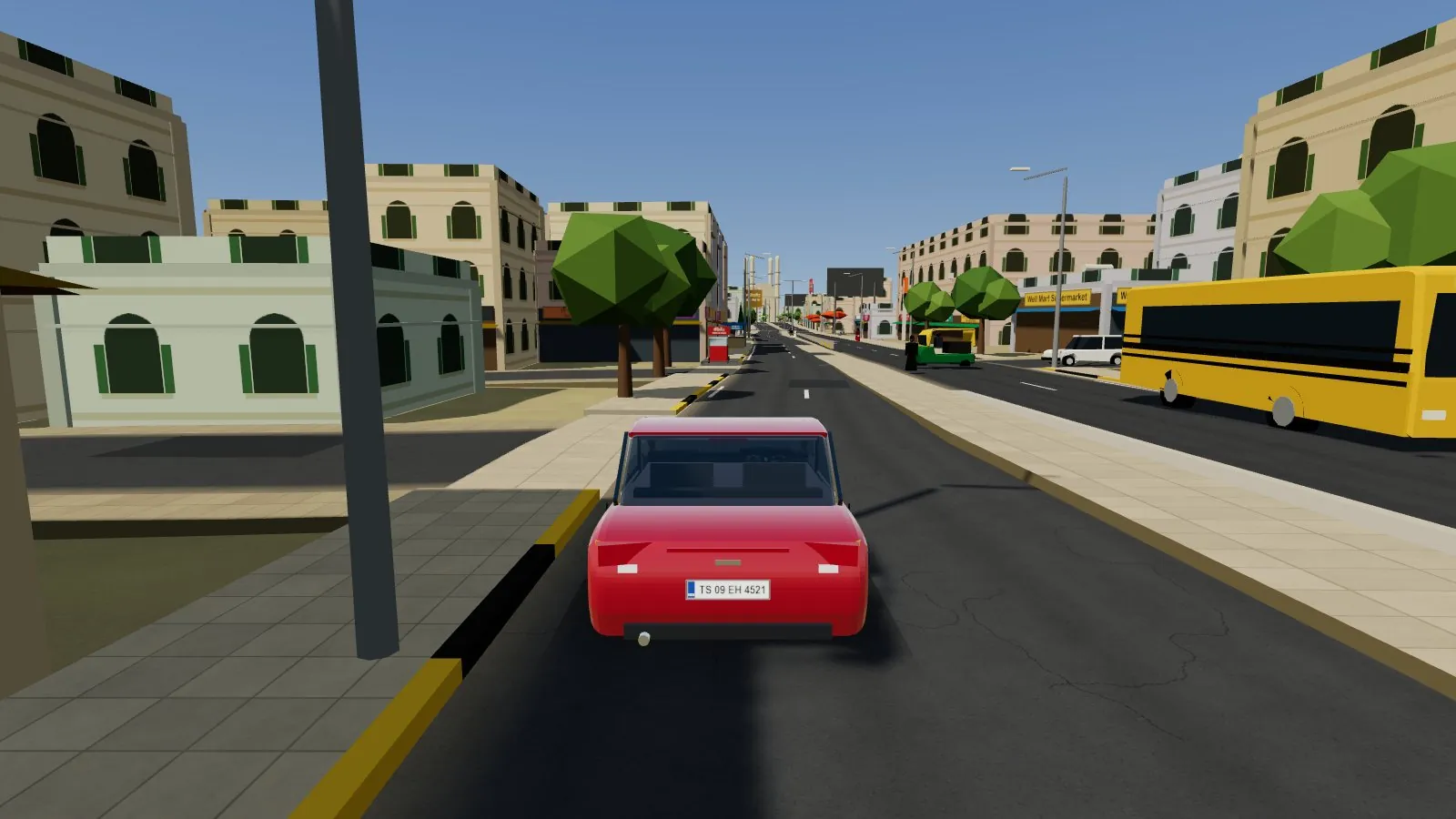
The road layout, lane counts, median, signals and the climb in Sawari come from OpenStreetMap and satellite terrain data, so the shape of the drive is real. Much of the roadside is estimated. Building facades and Banjara Hills villas are generated to look typical of the area, and speed breakers, U-turn openings, stalls, parked vehicles, hoardings and most street lamps are placed by rule. Signal timings are the game's own, and the speed limit shown comes from map data rather than the sign on the day.
Use the simulator to rehearse the habits this road asks for: smooth stops and starts, early signals and patience in traffic. On the real road, follow the actual signs, signals and traffic police.
Frequently asked questions
Is Banjara Hills Road No. 1 steep?
It is a steady climb rather than a steep hill. The road rises gradually from Masab Tank for most of its length, which matters most when you are stopped in a queue on the slope and have to move off again.
When is Road No. 1 in Banjara Hills busiest?
Weekday office hours are busy, and evenings and weekends add shoppers heading to the malls and restaurants along the road. Early mornings are usually the calmest time to drive it.
How do I stop rolling back on an uphill signal?
In a manual car, hold the car on the handbrake or footbrake, bring the clutch up to the biting point and release the brake as you add a little power. In an automatic, move your foot smoothly from brake to accelerator. Leave a good gap to the car in front in case it rolls back.
Can I practise Banjara Hills Road No. 1 online?
Yes. Sawari has a free Road No. 1 route from Masab Tank, built on real map and terrain data, that runs in your browser on a phone, tablet, laptop or desktop. It is practice only and does not replace driving lessons.
Free in your browser on a phone, tablet, laptop or desktop. No download, no sign-up.
Sawari is a practice simulator. It does not replace lessons with a licensed instructor or the official RTA test. Always follow the signs, signals and traffic police on the real road.